
GONÇALO C SILVA
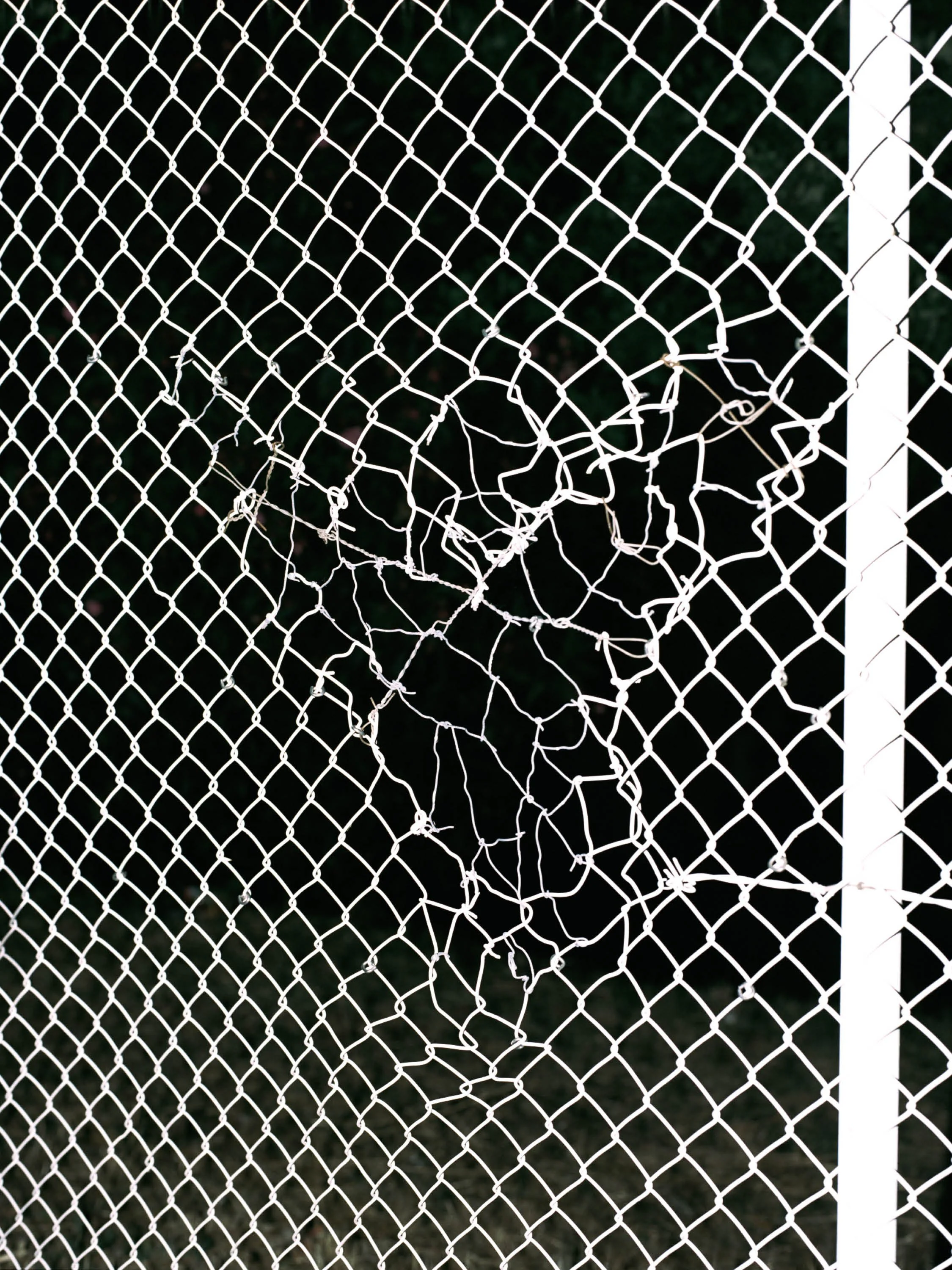
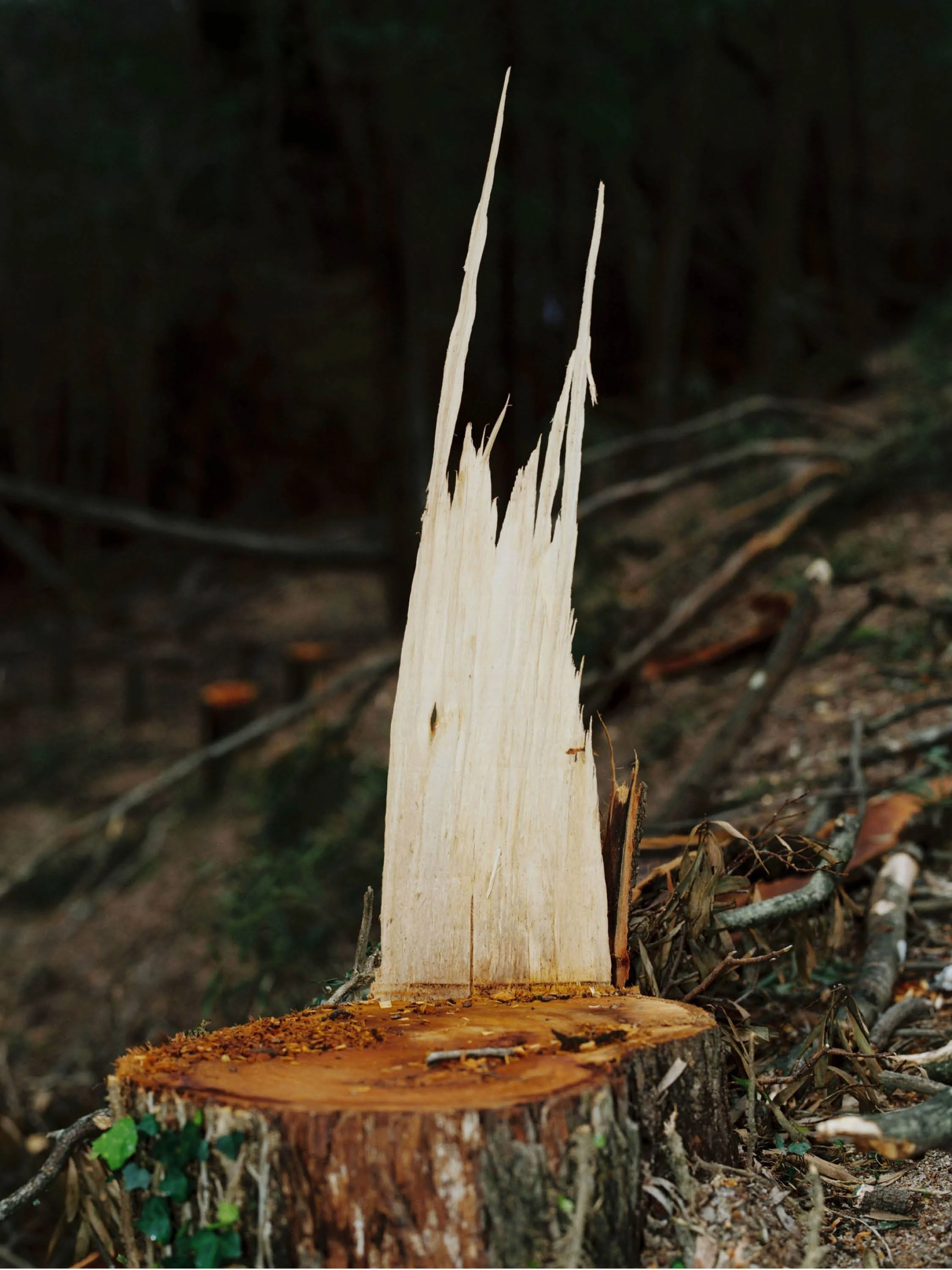
GONÇALO C SILVA's artistic practice is centred on photography, exploring the relationship between the body, landscape, and nature through an approach that is both poetic and project-based. His work develops through careful observation of the landscape, the construction of visual narratives, and a balance between control and chance, reflecting on the tensions between the natural and the artificial, as well as the fragility of the human condition in the face of contemporary environmental and societal transformations.
*
How would you describe your practice? My artistic practice is primarily centred on photography, although I have recently begun working with video as well. It is deeply project-based, almost always emerging from a question or a concern that stems from my engagement with landscape and nature. Through this process, I often explore an almost intimate relationship between the human body and place, creating a dialogue that highlights some of the tensions inherent to our troubled relationship with nature, the natural and the artificial, the built environment and ruins, and the living and the dead. My work is also strongly influenced by a kind of contemporary vertigo that increasingly exposes our fragility in the face of, for instance, natural phenomena. Photography becomes a poetic way of recording, interpreting, and also imagining this bond, as well as my own relationship with the time we inhabit.
How do you define your work process? My process is slow and rooted in attention, deceleration, and a deep connection with place. I work with analogue photography and often use a tripod, which compels me to slow down and carefully consider each image. I gradually collect photographs, creating a constellation of bodies and places that relate to one another symbolically and metaphorically, reflecting either aspects of myself or an idea I am exploring. Afterwards, there is always a process of construction and editing, of understanding which images speak to one another and to the universe I am building. My photographs also often emerge through returning to places I have previously visited, either because I encountered something I wanted to photograph or simply because I felt so drawn to a place that I needed to come back. This act of returning is almost always more productive than photographing in a routine or diaristic way. I believe that returning is a fundamental part of my process. Thinking about the image is an essential gesture, but at the moment of photographing, instinct ultimately takes over. There is an almost physical response to whatever stands before the camera. Even so, there are occasions when I first imagine an image, sketch it, and only then photograph it. This introduces a dimension of construction, staging, or fiction that appears to contradict photography's documentary nature, but represents a boundary that particularly interests me in pushing.
How does narrative emerge in your work? Narrative emerges mainly through the editing and installation process, whether in the form of a book or an exhibition. It is deeply embedded in the way I construct a body of images, which photographs converse with one another, which function as diptychs, triptychs, or groups. There is a process of creating dialogues that results in small narratives, establishing relationships between images that, although they may appear abstract or ambiguous to the viewer, have been brought together for a reason. Sometimes the title of a series itself suggests the narrative. For example, in Cyclone, I was interested in the tension between the idea of a storm that was about to happen and one that had already passed. It became an elliptical narrative that blurred these temporalities and created a sense of uncertainty. The challenge then became understanding how the installation or sequencing of the images could evoke that idea. It is always a suggestion, however. Ultimately, it is the viewer who completes the work.
To what extent do “error” or chance play a part in your practice? My practice is not necessarily about embracing error. On the contrary, I feel that I exercise a considerable degree of control over the creative process so that the final image comes as close as possible to what I am seeking. Yet, despite being a highly considered process, there is always room for chance, for finding a balance between what is constructed and what is discovered. Chance is present above all in moments of discovery, a gesture, an object, or a landscape that suddenly captures my attention because of the way light falls upon it, or because of a trace of human presence that compels me to photograph it. My personal visual universe has been built through this interplay between the chance of discovery and the dialectical construction that emerges from these encounters. It is about allowing myself to be surprised by nature and reflecting on what those moments can reveal about us. Analogue photography always carries a degree of uncertainty because we cannot see the image at the moment it is made. The light may not register on the film as expected, or the framing may ultimately reveal, or exclude, something that I had not noticed. There is always this duality between construction and surprise, and for me, that is what makes analogue photography so compelling.
A prática artística de GONÇALO C SILVA centra-se na fotografia, explorando a relação entre o corpo, a paisagem e a natureza através de uma abordagem simultaneamente poética e projetual. O seu trabalho desenvolve-se a partir da observação atenta do território, da construção de narrativas visuais e do equilíbrio entre controlo e acaso, refletindo sobre as tensões entre o natural e o artificial e sobre a fragilidade da condição humana perante as transformações do mundo contemporâneo.
*
Como descreverias a tua prática? A minha prática artística é maioritariamente centrada na fotografia, ainda que recentemente tenha também começado a trabalhar com vídeo. Tem uma lógica muito projetual, que parte quase sempre de uma pergunta ou inquietação, fruto do meu contacto com a paisagem e com a natureza. Nesse processo, investigo frequentemente uma relação quase íntima entre o corpo humano e o lugar, num diálogo que acentua algumas das tensões inerentes à nossa relação conturbada com a natureza: o natural e o artificial, o edificado e a ruína ou o vivo e o morto. O meu trabalho é também muito influenciado por uma espécie de vertigem contemporânea, que torna cada vez mais evidente a nossa fragilidade face a, por exemplo, fenómenos naturais, e a fotografia acaba por ser uma forma poética de registar, interpretar, mas também imaginar esse vínculo e a minha relação com este tempo.
Como caracterizas o teu processo de trabalho? É um processo lento, de atenção, desaceleração e de ligação com o lugar. Fotografo em analógico e, muitas vezes, com tripé, o que me obriga a realmente parar para pensar as imagens. Vou colecionando-as e criando uma constelação de corpos e lugares que se relacionam de forma simbólica e metafórica comigo ou com uma ideia que estou a explorar. Depois, há sempre um processo de construção e edição que passa por perceber que imagens dialogam entre si e com o universo que estou a criar. Para além disso, a minha fotografia surge muitas vezes de um retorno aos sítios por onde passo; ou porque vi algo que quero fotografar ou simplesmente porque me sinto tão atraído por um sítio que preciso de voltar. Este movimento é quase sempre mais produtivo do que propriamente fotografar de forma rotineira ou diarística. Acredito que o movimento de voltar é importante no meu processo. Pensar a imagem é um gesto fundamental, mas, no momento de fotografar, é o instinto que acaba por mandar. Há uma resposta quase física ao que está à frente da câmara. Ainda assim, existem momentos em que penso numa imagem, desenho-a e só depois a fotografo. Nesse processo, introduz-se uma dimensão de construção, encenação ou ficção, aparentemente contrária à natureza da fotografia, mas que representa um limite que me interessa quebrar.
De que forma surge a narrativa no teu trabalho? Surge sobretudo no processo de edição e montagem, seja de um livro ou de uma exposição. A narrativa acaba por estar muito presente na forma como construo uma série de imagens: que imagens dialogam entre si, quais funcionam como dípticos, trípticos ou grupos. Há um processo de criação de diálogos que resulta em pequenas narrativas, estabelecendo relações entre imagens que, ainda que de forma abstrata ou ambígua para quem as vê, foram juntas por uma razão. Às vezes, o próprio título da série sugere essa narrativa. Por exemplo, em Ciclone, interessou-me o confronto entre a ideia de uma tempestade que estava prestes a acontecer ou que já tinha acontecido; uma narrativa elíptica que misturava esses tempos e criava uma confusão. Depois é perceber como a montagem ou a edição pode sugerir essa ideia. Mas é sempre uma sugestão; depois é o espectador quem completa o trabalho.
Até que ponto o “erro” ou o acaso fazem parte da tua prática? Não passa necessariamente por integrar o erro. Pelo contrário, sinto que controlo bastante o momento da criação para que a imagem final se aproxime daquilo que procuro. Mas, apesar de ser um processo muito cerebral, existe sempre espaço para o acaso, para encontrar um equilíbrio entre o que é construído e o que é descoberto. O acaso está presente sobretudo nesse momento da descoberta, de um gesto, um objeto ou uma paisagem, quando, de repente, a forma como a luz incide sobre algo, ou um vestígio de presença, me interessa e sinto o ímpeto de fotografar. O meu universo pessoal tem-se construído a partir desse misto entre o acaso da descoberta e a construção dialética que faço a partir desses encontros. Deixar-me ser surpreendido pela natureza e pensar o que isso pode revelar sobre nós. A fotografia analógica tem sempre uma dose de abstração, porque não estamos a ver a fotografia no momento em que a estamos a fazer. A luz pode não ficar impressa no filme como esperamos, ou um enquadramento acabar por revelar ou excluir algo que não estávamos a ver. Há sempre esta dualidade entre construção e surpresa, que, para mim, é o que mais me entusiasma nela.
