
CATARINA NEVES RICCI
CATARINA NEVES RICCI studied Film and Transmedia Storytelling and develops a transdisciplinary practice as a writer, filmmaker, visual artist, and curator. Her work, centred on narrative, crosses different media to explore themes such as the body, memory, and geography through a visual and sonic universe marked by experimentation, intimacy, and the absence of taboo.
*
How would you describe your practice? My practice has expanded considerably. Over the past eight years, it has fully embraced a transdisciplinary nature, which, in fact, has always been its foundation. I studied cinema and began my career as a film director. In filmmaking, we think carefully and independently about image, sound, language and narrative, light and spatial architecture, colour, materials, character psychology, and so on. We create with equal dedication for each of these elements. If you master it, it is, in my view, the most beautiful and complete creative practice there is. My work has therefore always been transdisciplinary, although it was initially presented to the public through screenplays and films. After MARIA, my last fiction film, I began working more openly and freely across different disciplines. I started directing for theatre and dance, working with durational performance, a field in which I have since specialised, exhibiting my photographic work, which until then had remained somewhat hidden and niche, and likewise my sound practice. More recently, in Paris, I exhibited drawings, something that almost no one knows I do. To me, however, these are all simply different ways of telling a story, which is ultimately what I do. It only depends on what I want to tell at a given moment, and for which space and context.
How do you define your work process? My process is structured and methodical, with distinct phases, but it also contains a great deal of mystery. It is both rigorous and intuitive. Everything begins with an idea that arrives as a phrase, a title, a theme, an image, or a sound. I explore that initial impulse, and the next step is deciding whether it belongs in film, video, sound, or body and performance. The process begins by defining the medium through which I will develop the work, because that determines the materials I will use, the project's timeline, the level of investment required, the amount of research involved, and so on. Regardless of the form the work ultimately takes, my practice always involves extensive research, reading, drafting, and revision. As the concept evolves, there is a great deal of handwritten writing, photography, and countless hours of solitude. Over the past few years, however, I have come to prefer collaboration over working alone. I enjoy dialogue, making invitations to others, and being surprised by the invitations I receive in return.
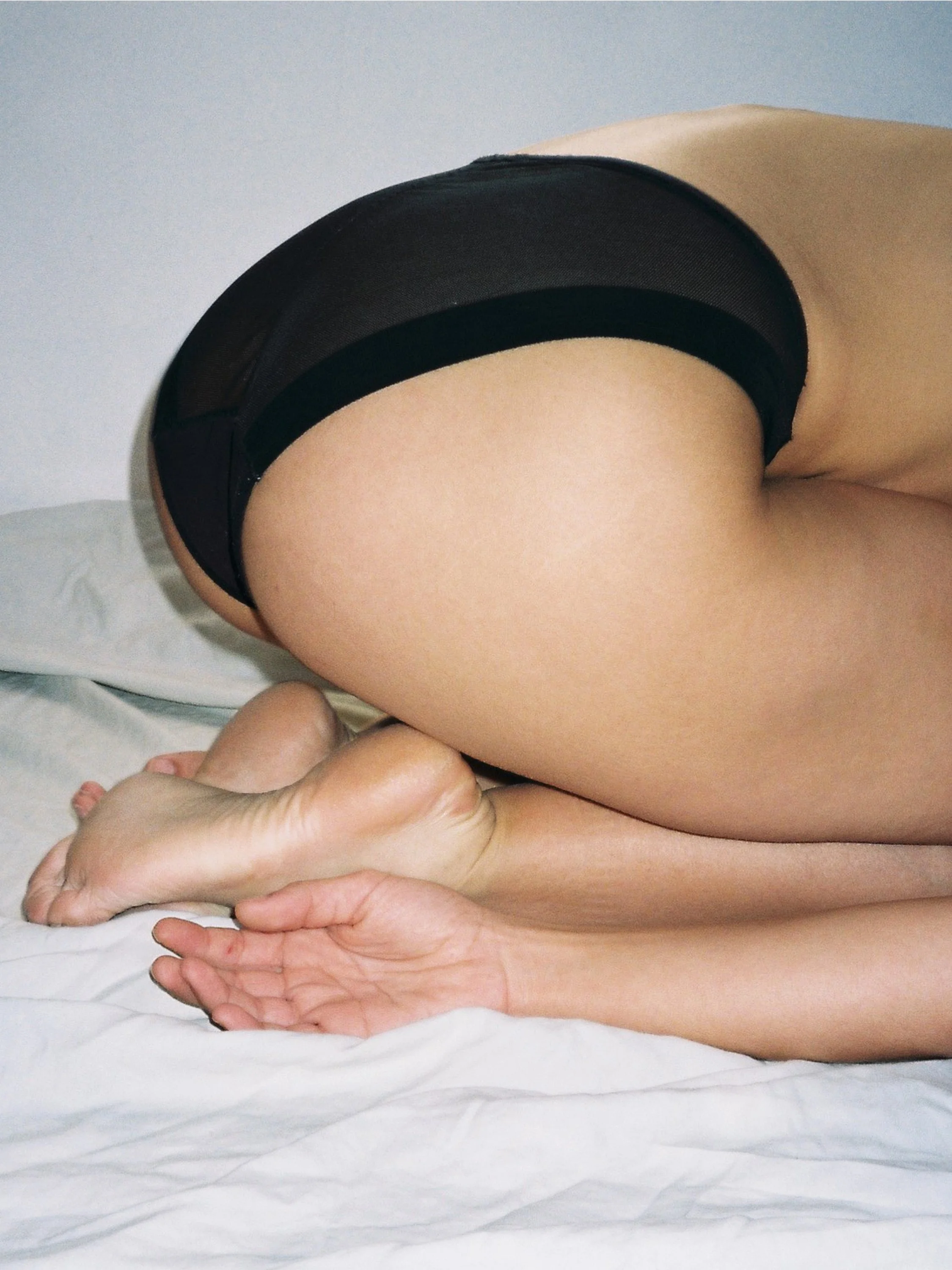
How does narrative emerge in your work? Narrative is the starting point of everything I do. Even in my most abstract works, whether a music video or a photographic series, I am always making cinema, just without the budgets and crews that filmmaking usually requires. It begins with an idea that gradually develops until it reaches a point where I know I want to explore it through images and sensory experience. My narratives often revolve around what remains untabooed, the female body or the human and animal body, geography, and memory. I am also drawn to working with the unknown, especially with languages I do not speak. For example, in WOMEN ON WOMEN I worked extensively with Turkish and Farsi, and more recently with Basque and Norwegian.
To what extent do “error” or chance play a part in your practice? They are central to it. I love working with mystery, fragmentation, and failure. I enjoy not knowing, which is probably why Surrealism feels so close to my way of working. For my exhibition at PLATO, I wrote a text about the importance of failure, rawness, and the workings of the unconscious, describing them as the very nectar of that exhibition. Over the years, I have lost interest in polished perfection. Perhaps this has something to do with the excess of performance we witness in society today, particularly online. Or perhaps it simply comes from growing more confident in what I write and in the rawness of my work, which, to me, is essential to its strength.
CATARINA NEVES RICCI estudou cinema e transmedia storytelling e desenvolve uma prática transdisciplinar como escritora, realizadora, artista visual e curadora. O seu trabalho, centrado na narrativa, cruza diferentes meios para explorar temas como o corpo, a memória e a geografia, através de um universo visual e sonoro marcado pela experimentação, pela intimidade e pelo não-tabu.
*
Como descreverias a tua prática? A minha prática tem expandido muito. E diria que nos últimos 8 anos assumiu-se totalmente transdisciplinar, que é, na verdade, a sua base de origem. Eu estudei cinema e comecei como realizadora; e no cinema pensamos cuidadosamente e separadamente na imagem, no som, na palavra e narrativa, luz e arquitetura do espaço, cor, matérias, psicologia do personagem, etc. E criamos dedicadamente para todas essas áreas. Se a dominas, é, a meu ver, a prática de criação mais bela e completa que conheço. Então desde sempre que o meu trabalho é transdisciplinar; mas traduzia-se para o público em argumentos e filme; após MARIA, que foi a minha última ficcäo para cinema, comecei a trabalhar mais abertamente e livremente para todas essas disciplinas. Comecei a encenar para teatro e dança, a trabalhar com performance duracional que é uma área em que me especializei, a exibir o meu trabalho fotográfico que vinha sendo um pouco escondido e nicho, o mesmo em relação ao meu trabalho com som, até recentemente em Paris onde exibi desenho que é uma coisa que quase ninguém sabe. Mas para mim são tudo extensões de contar uma história que é o que eu faço. Só depende do que estou a querer contar no momento e para que espaço e contexto.
Como caracterizas o teu processo de trabalho? É um processo organizado, que tem o seu método e fases, mas que contém igualmente muito mistério; é um trabalho que é formal e ao mesmo tempo intuitivo. Tudo parte duma ideia, que chega com uma frase, um título, um tema, uma imagem ou um som; exploro esse input que me chega e o passo seguinte é decidir se isso é para filme/vídeo, para som, ou para corpo/ performance. O processo começa por definir para que plataforma estou a criar e a desenvolver esta ideia, porque aí decido com que materiais vou trabalhar, a linha de tempo desse projecto, o investimento necessário, o tempo de pesquisa, etc. Mas independentemente do objecto de criação, o meu trabalho tem muita investigação, literatura, rascunho e revisão. E à medida que o conceito vai evoluindo, tem muita escrita à mäo, muita fotografia, e horas e horas de isolamento. De há uns anos para cá prefiro colaborações a trabalho solo. Gosto do diálogo, de fazer esses convites, e da surpresa dos receber também.
De que forma surge a narrativa no teu trabalho? A narrativa é de onde parte tudo para mim. Mesmo no mais abstrato dos trabalhos - como pode ser um music video ou uma série de fotografia-, eu estou sempre a fazer cinema, sem os orçamentos e equipa que o cinema requer. Começa com uma ideia que vem crescendo e que chega a um ponto mais ou menos maduro em que sei que a quero explorar imageticamente e sensorialmente. As minhas narrativas exploram muito o näo-tabu, o corpo feminino ou humano-animal, geografia e memória. E gosto de trabalhar com o desconhecido, com línguas que não domino; por exemplo no WOMEN ON WOMEN trabalhei muito em turco e farsi, agora mais recentemente em basco e norueguês.
Até que ponto o “erro” ou o acaso fazem parte da tua prática? Fazem muitíssimo; adoro trabalhar com o mistério, o fragmento, a falha. Gosto de não saber, e por isso o surrealismo me assenta bem. Para a minha exposição na PLATO escrevi um texto onde referenciava a importância da falha, das coisas cruas, e dos processos do inconsciente, como nectário daquela exposição. Com os anos deixei de ter interesse no polido, talvez tenha que ver com o excesso de performativo que vemos na sociedade e especialmente online, ou talvez tenha que ver com simplesmente ganhar confiança no que escrevo e na crueza do meu trabalho - para mim essencial para a sua pujança.
