
21 Mar — 25 Apr 2026 | PORTO
Nada de novo sobre o solo
André Vaz
Não entres tão depressa nessa noite escura.
Nunca irei escrever um texto uma folha de sala por três razões simples: a primeira - a folha de sala é subsidiária da exposição, informa simplesmente, sendo assim qualquer texto que o acompanhe conteúdo espúrio; a segunda - porque é tautológico. Corre o risco de subterrar em forma escrita as pulsões energéticas e agramaticais, que são a natureza da apreensão em arte; e, por fim, a terceira: ninguém as lê.
Por isso este texto – uma vez mais – não é um texto de folha de sala, é um texto para a Lua e para o Sol – quando este está emprestado ao lado de lá. Escrevo de noite, quando Deus permite que nos encontremos estranhos a nós mesmos. Diluídos no sono-sonho, numa religião natural, em que a natureza não é nada do que parece. Aqui dá-se o tempo da continuidade, da comunidade prévia, de uma multidão de predecessores que inventaram a lenha cortada pelas belas ferramentas dos homens.
A contemporaneidade insufla as vãs noções de «atenção a si próprio», de «cuidado de si» – de self care – e de «autoconhecimento», numa absolutização das idiossincrasias. Isto, a par de uma «dessacralização do mundo», amplificam-se as «dificuldade de ser si próprio», inviabilizando coletividade. Há efetivamente, uma experiência problemática na construção de um indivíduo sem passado. Em arte, esse comportamento é tendencial: ter como centro o desejo de ser novidade – inventar a pólvora. Vive numa eterna adolescência, alheado, em absoluta outridade. Deste modo, a saída do “tempo da religião” está diretamente correlacionada com uma espécie de advento de uma época híper individualista. Que em arte resulta numa produção deserdada por recriação própria.
O que vemos nesta montagem de André Vaz, é a revitalização das práticas comunitárias de um fazer sem tempo – sem nada de novo e baixo do sol e, por isso, tão original. De uma origem sem início nem fim, onde o humano, animal, mineral e vegetal se implicam indiscernivelmente. Por um preestabelecimento tácito de que a o fazer da arte não se sobreponha ao mistério do ritual que a matéria reclama. À imagem do poema...
Nos dias primevos da arte,
Os construtores forjavam com o maior cuidado
Cada mínima e invisível parte,
Porque os deuses estão em todo o lado.
A cultura, seja ela agrícola ou artística, surgiram ao serviço de um ritual ou dando-lhe lugar, advindo de uma necessidade imperiosa. Primitivo, mágico, e depois religioso, nada se acontecia sem que tudo estivesse entrelaçado. É, pois, de importância decisiva que a forma de existência da aura na obra de arte nunca se desligue completamente da sua função ritual. Por outras palavras, o valor singular da obra de arte “autêntica” tem o seu fundamento no ritual, no qual adquiriu o seu valor de uso original e primeiro.
Este trabalho pressupõe uma dimensão coletiva e supõe também a fantasia do fluxo contínuo entre a hereditariedade afetiva e a força da simbolização do real – tal como as coreografias dos bandos ou dos cardumes, numa ritualidade reflexa, em movimentos de prata e sal sob o sol.
Deste modo, a repetição, mais atómica ou de anatomias semelhantes, é um perpetuar da vida dos mortos e das matérias naturais. Por isso, rituais de repetição que congregam lentamente os seres divinos, trazem consigo a reactualização do tempo original, quando o rito foi celebrado pela primeira vez. Nesse sentido, parece que não haverá nada de novo debaixo do sol. Contudo, a repetição não é mesmidade mas intensificação. Por essa razão o rito é eficaz fazendo-nos participes de uma noção de tempo transgressor da normalidade, como um outro. Uma noite primordial onde o rito atualiza o mito. Conquista-lhe um corpo, pois a arte não quer ser serva do provisório.
Vemos aqui a conformidade de um mapeamento de temporalidades coetâneas com as suas dicotomias entre a natureza e arte, o campo e a cidade, numa intermutação profunda e plena de sentidos. Isto não se dá sem contaminações radicais, cheia de transgressões e inaproriações dos universos da matéria e do fazer. [por isso, é constrangedor que no dia em que domesticaram a Vida, arrancando aos elementos as suas potências inexplicáveis, chegou-se mesmo a pensar pisar a lua. O que de facto aconteceu sem sequer lhe pedir a autorização – no mínimo com verso; antiguo llanto. Mírala. Es tu espejo.]
Confirma-se o ridículo de querer fazer algo passar por novo. Surge o inédito como resquício bafiento da modernidade: o novo progresso, a tábua rasa, a ambição de uma geração espontânea que é corpo que se auto-fecunda, engendra e nasce. Nisto Qoélet é certeiro: nada que de novo que apareça já não foi. Nunca poderemos pensar que poderemos erigir sobre o solo ou sob o sol uma torre de babel, umas assas novas para Cícero.
[Esquece lá isso empreendedor da robótica e da AI. Tudo o que fizeres é uma nota de rodapé a um espirro de Homero, ou a mão gretada até o osso de um pescador.]
O dia em que serraram aquela praxa de carvalho, fizeram-no sobre o monte e sob a lua certa para o talhe e para abate da árvore. O bafo do suor e da fome foram os mesmos. A madeira, por sua vez, em cada centímetro narra o ir e vir pendular da lâmina em voz alta. Desenho da resistência que oferece a verticalidade do veio à têmpera do ferro. Assim, somos todos da mesma Era da Pedra e do Lítio. Estes servem para cortar, esmagar ou fazer baterias elétricas. Matérias do subsolo, desritualizadas, desencantadas, que perpetuam a individualização lucrativa em lugar do manuseamento sensível da transformação mútua e progressiva, como vemos fazer o artista. Pois até o sol foi feito relógio, instrumento. Porém, este já o era anteriormente, ao longo de todos os séculos, quando entrava por entre os templos adentro nos solstícios ou equinócios. Não atribuíamos números para marcar o passar de uma sombra projetada e assim medir o tempo. Antes desejámos receber a religação e a fotossíntese, a vitalidade da luz, o calor e o espelho da água. Ainda que não haja nada de novo sob o sol, perseguiremos o André, não a correr atrás do vento do novo, mas a perpetuar o gesto da origem, mesmo dentro dessa noite escura.
João Sarmento sj 2026
Do not go gently into that dark night.
I will never write a wall text for an exhibition for three simple reasons: first, the wall text is subordinate to the exhibition; it merely informs, and thus any accompanying text becomes spurious content. Second, because it is tautological. It risks burying, in written form, the energetic and ungrammatical impulses that constitute the very nature of apprehending art. And finally, third, no one reads them.
For that reason, this text, once again, is not a wall text; it is a text for the Moon and for the Sun, when it is lent to the other side. I write at night, when God allows us to encounter ourselves as strangers. Dissolved in sleep-dream, within a natural religion in which nature is nothing of what it seems. Here unfolds the time of continuity, of prior community, of a multitude of predecessors who invented firewood cut by the fine tools of men.
Contemporaneity breathes life into vain notions of “attention to oneself,” of “care of the self,” of self-care, and of “self-knowledge,” in an absolutization of idiosyncrasies. Alongside this “desacralization of the world,” the “difficulty of being oneself” is amplified, rendering collectivity unviable. There is, in fact, a problematic experience in constructing an individual without a past. In art, this tendency manifests as a desire to be novelty itself, to reinvent gunpowder. It lives in a perpetual adolescence, estranged, in absolute otherness. Thus, the departure from the “time of religion” is directly correlated with the advent of a hyper-individualistic age, which in art results in a production disinherited by its own recreation.
What we see in this installation by André Vaz is the revitalization of communal practices of a timeless making, nothing new under the sun and, for that very reason, so original. Of an origin without beginning or end, where the human, animal, mineral, and vegetal are indistinguishably implicated. Through a tacit preestablishment that the making of art does not override the mystery of the ritual that matter itself demands. In the image of the poem…
In the earliest days of art,
Builders forged with utmost care
Each smallest and invisible part,
Because the gods are everywhere.
Culture, whether agricultural or artistic, emerged in the service of a ritual or by giving it form, arising from an imperative necessity. Primitive, magical, and later religious, nothing happened without everything being interwoven. It is therefore of decisive importance that the mode of existence of aura in the work of art never becomes completely detached from its ritual function. In other words, the singular value of the “authentic” work of art has its foundation in ritual, where it acquired its original and primary use value.
This work presupposes a collective dimension and also assumes the fantasy of a continuous flow between affective heredity and the force of symbolizing the real, like the choreographies of flocks or schools, in reflex rituality, in movements of silver and salt under the sun. Thus, repetition, whether more atomic or of similar anatomies, is the perpetuation of the life of the dead and of natural matter.
For this reason, rituals of repetition that slowly gather divine beings bring with them the reactualization of original time, when the rite was first celebrated. In this sense, it seems that there is nothing new under the sun. However, repetition is not sameness but intensification. For this reason, the rite is effective: it makes us participants in a notion of time that transgresses normality, as an other. A primordial night in which the rite updates the myth. It gives it a body, for art does not wish to be a servant of the provisional.
Here we see the conformity of a mapping of coexistent temporalities with their dichotomies between nature and art, countryside and city, in a deep intermutation full of meaning. This does not occur without radical contaminations, filled with transgressions and misappropriations of the universes of matter and making. [Thus, it is unsettling that on the day Life was domesticated, stripping the elements of their inexplicable powers, humanity even imagined stepping onto the moon. Which indeed happened without even asking its permission, at the very least, with a verse; antiguo llanto. Mírala. Es tu espejo.]
The absurdity of trying to make something pass as new is thus confirmed. The unprecedented appears as a stale residue of modernity: new progress, the tabula rasa, the ambition of spontaneous generation, a body that self-fertilizes, engenders, and is born. In this, Qohelet is precise: nothing that appears as new has not already been. We can never think we might erect, upon the earth or under the sun, a tower of Babel, new wings for Cicero.
[Forget it, entrepreneur of robotics and AI. Everything you make is a footnote to a sneeze of Homer, or to the cracked hand down to the bone of a fisherman.]
The day they sawed that oak beam, they did so on the hill and under the right moon for cutting and felling the tree. The breath of sweat and hunger was the same. The wood, in turn, in every centimeter narrates the pendular back-and-forth of the blade aloud. A drawing of resistance that the vertical grain offers to the temper of iron. Thus, we are all of the same Stone and Lithium Age. These serve to cut, to crush, or to make electric batteries. Materials from the subsoil, deritualized, disenchanted, that perpetuate profitable individualization in place of the sensitive handling of mutual and progressive transformation, as we see the artist do. For even the sun has been made into a clock, an instrument. Yet it already was so, across all centuries, when it entered through temples during solstices or equinoxes. We did not assign numbers to mark the passing of a cast shadow and thus measure time. Rather, we desired to receive reconnection and photosynthesis, the vitality of light, the warmth and the mirror of water. Even if there is nothing new under the sun, we will follow André, not chasing the wind of the new, but perpetuating the gesture of origin, even within that dark night.
João Sarmento sj 2026
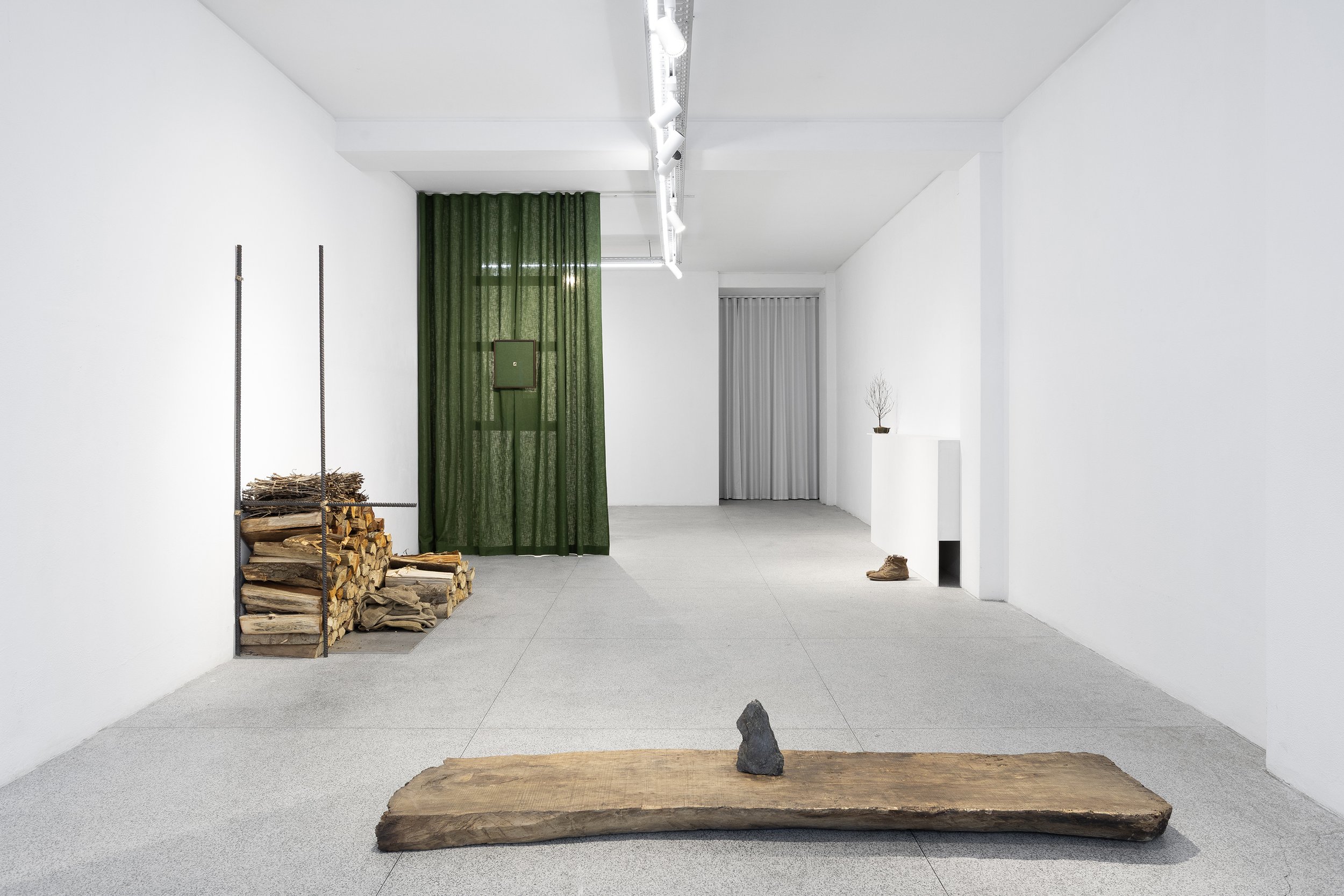
ANDRÉ VAZ | Nada de novo sobre o solo, 2026
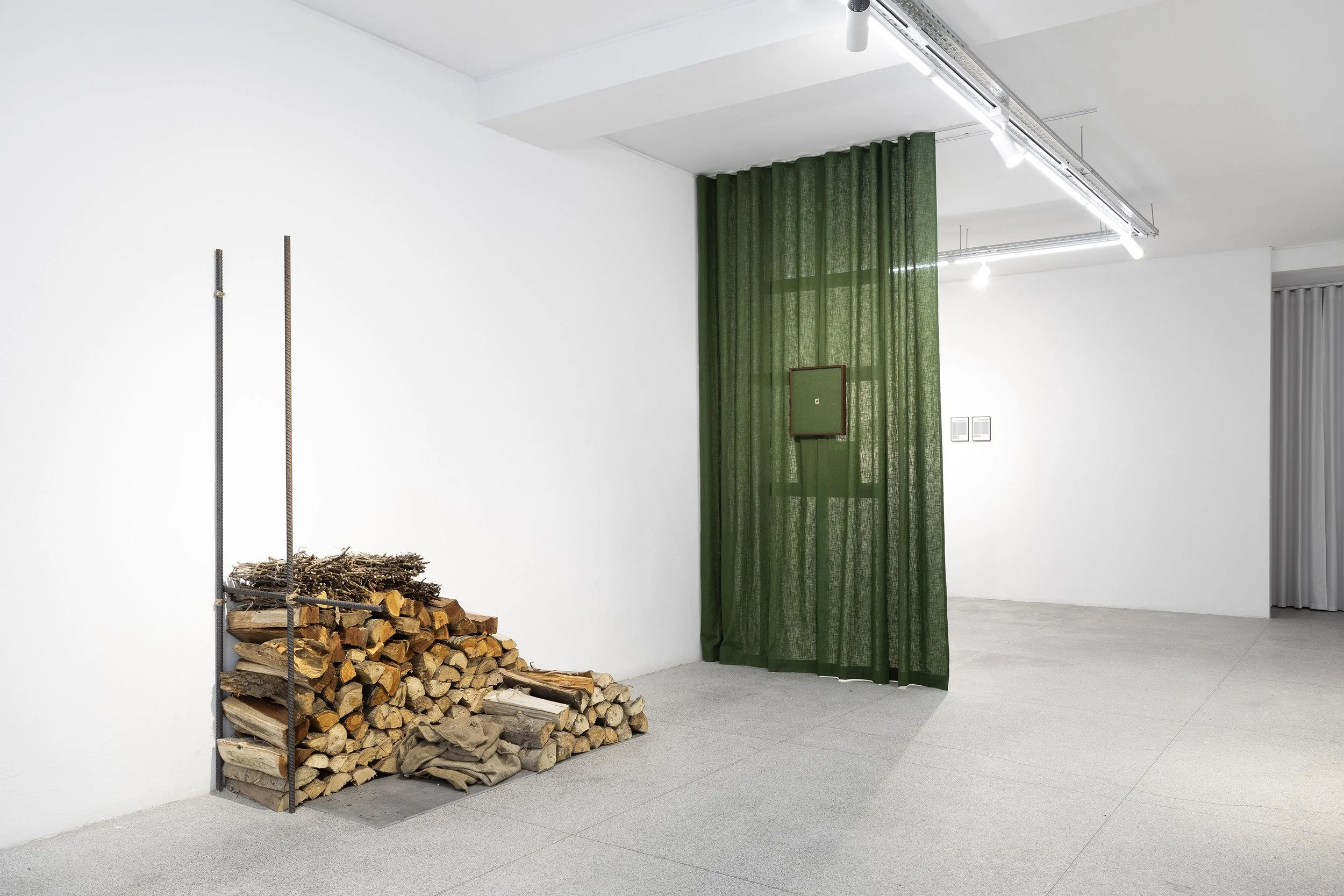
ANDRÉ VAZ | Nada de novo sobre o solo, 2026
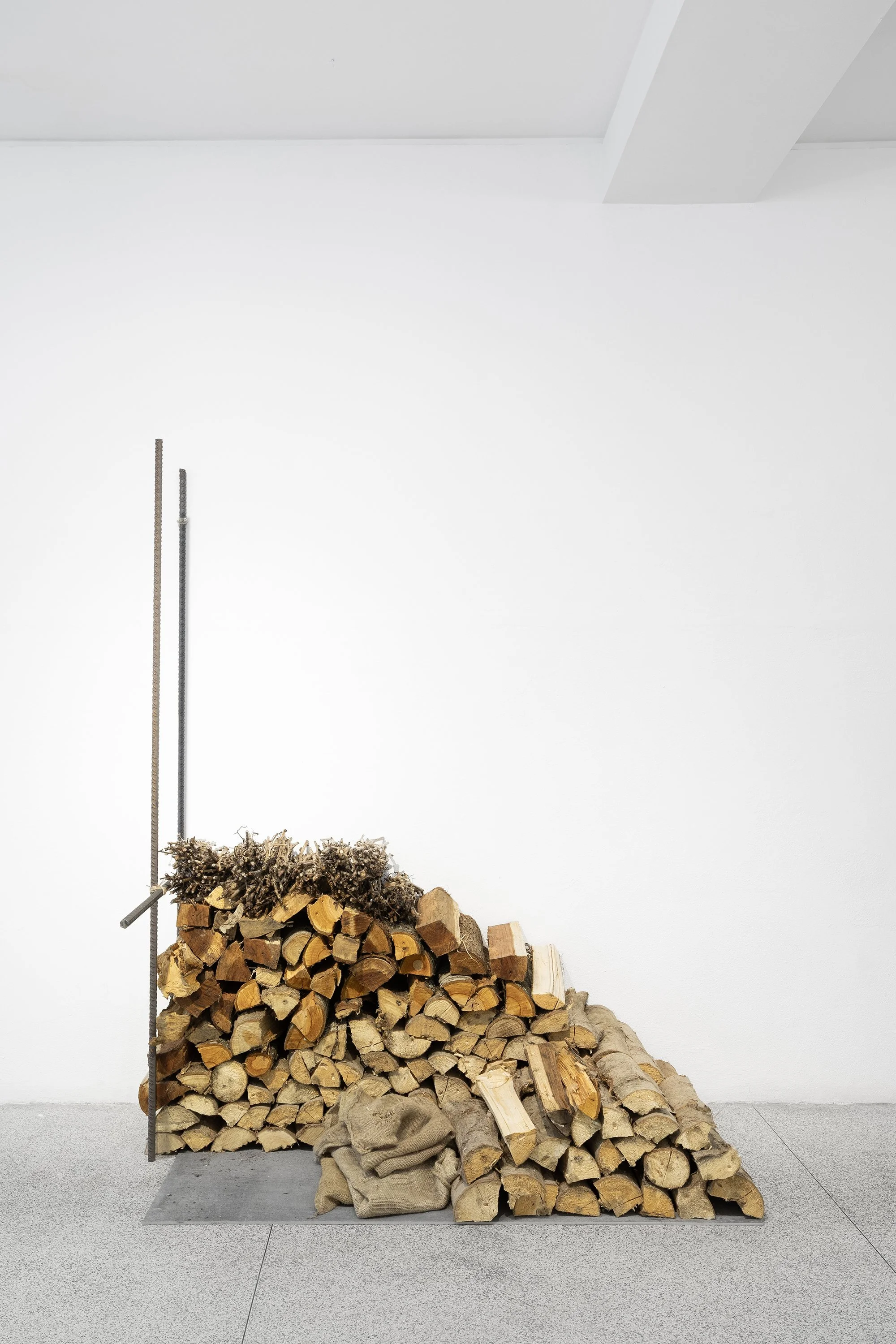
ANDRÉ VAZ | Nada de novo sobre o solo, 2026
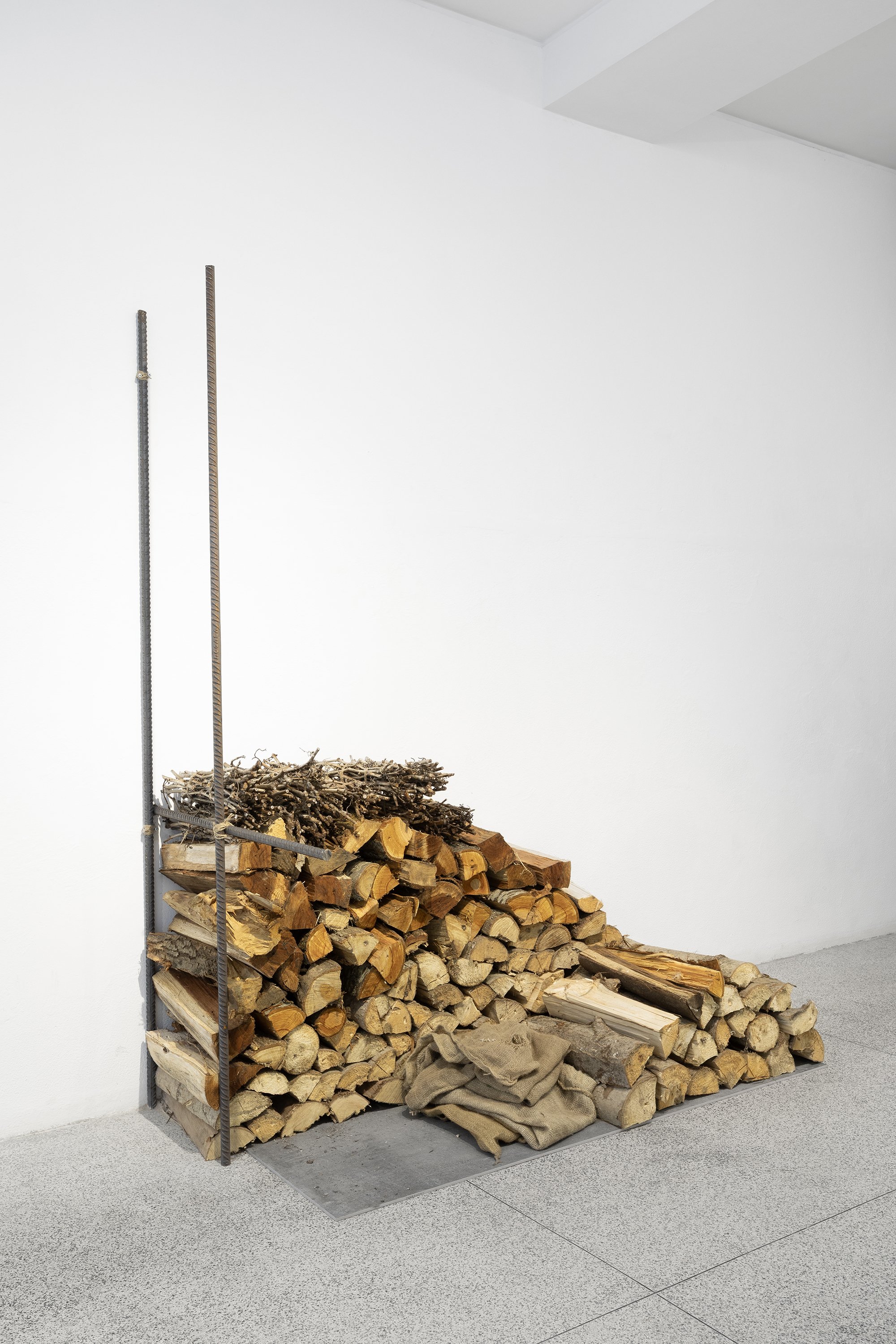
ANDRÉ VAZ | Nada de novo sobre o solo, 2026
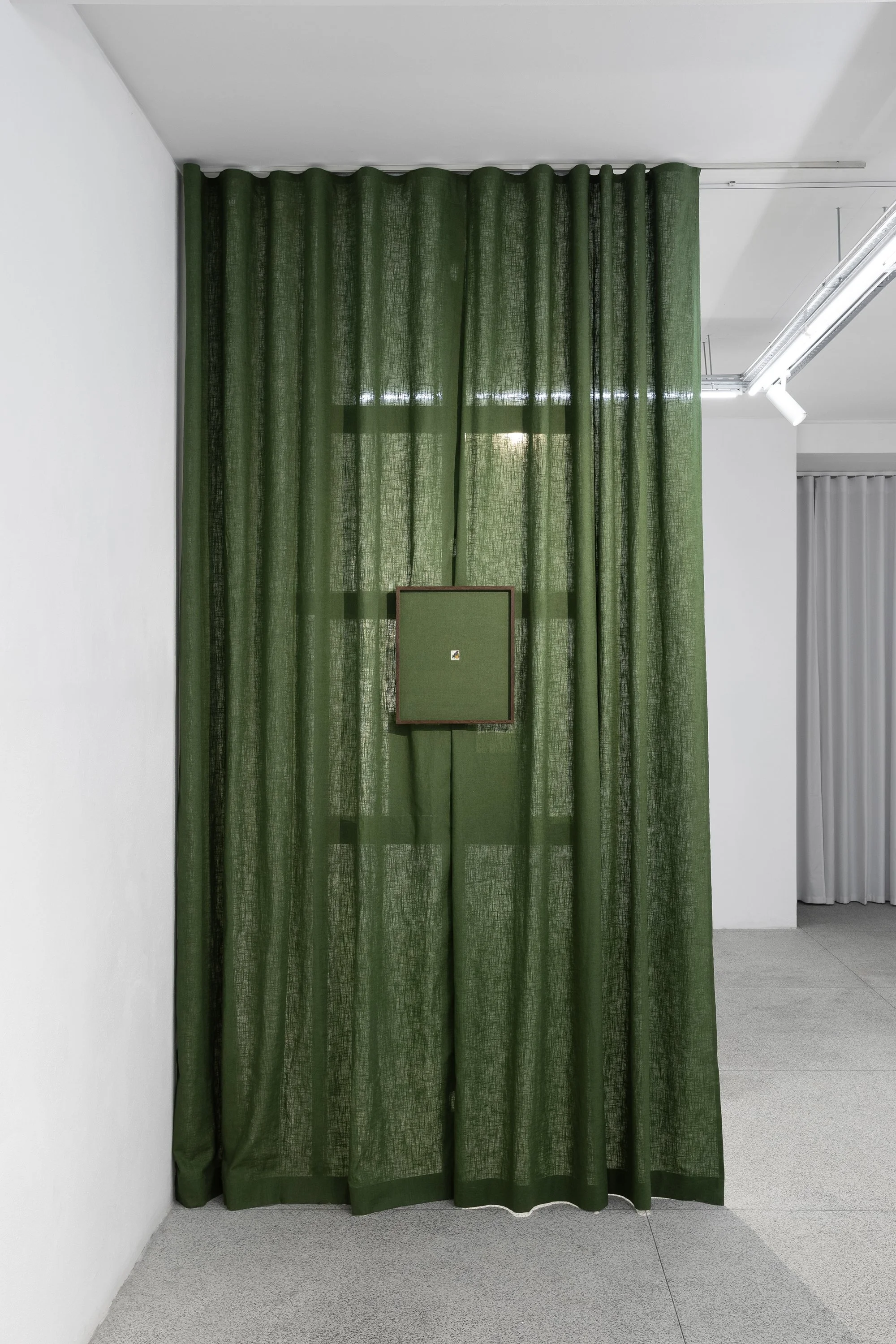
ANDRÉ VAZ | Nada de novo sobre o solo, 2026
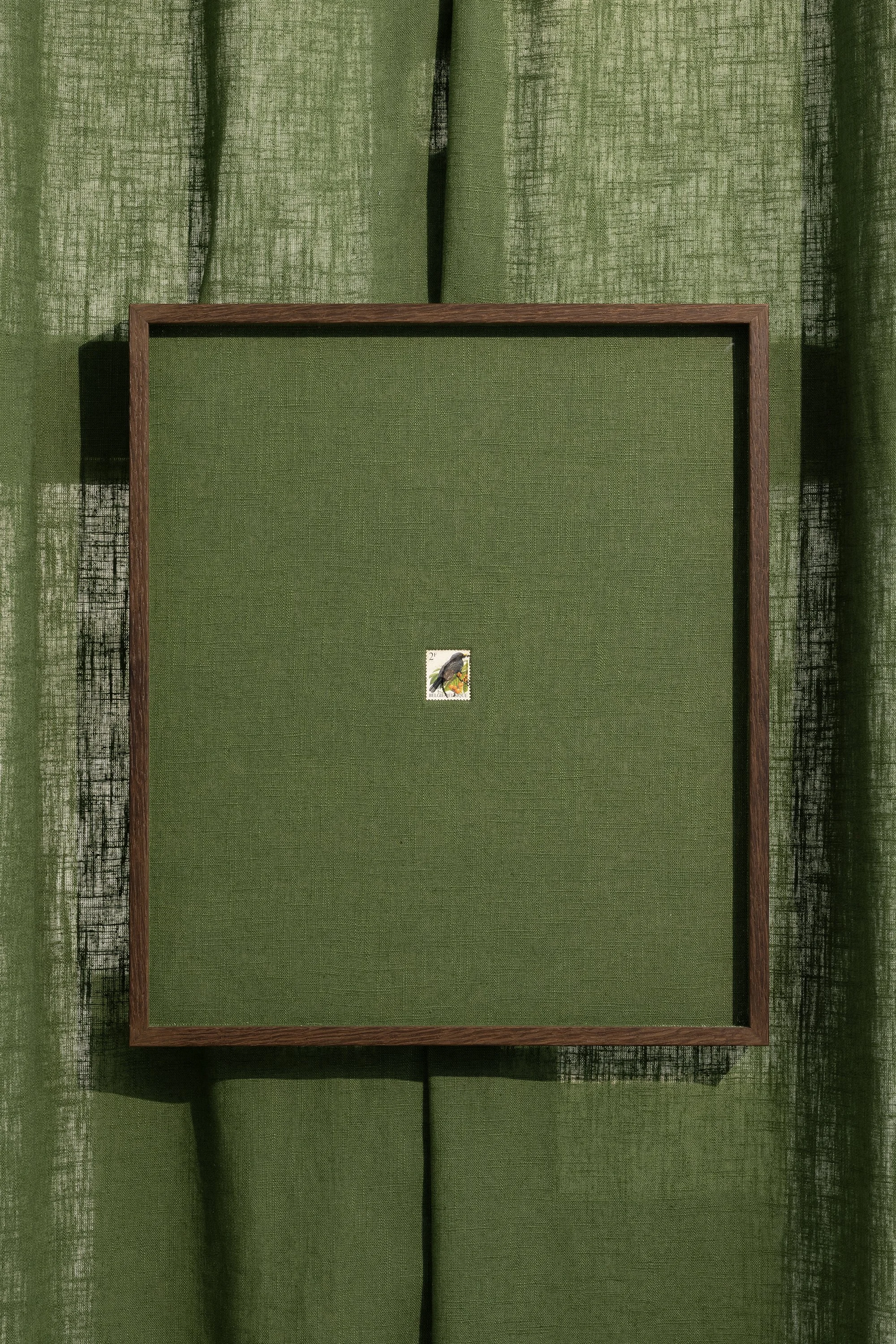
ANDRÉ VAZ | Nada de novo sobre o solo, 2026
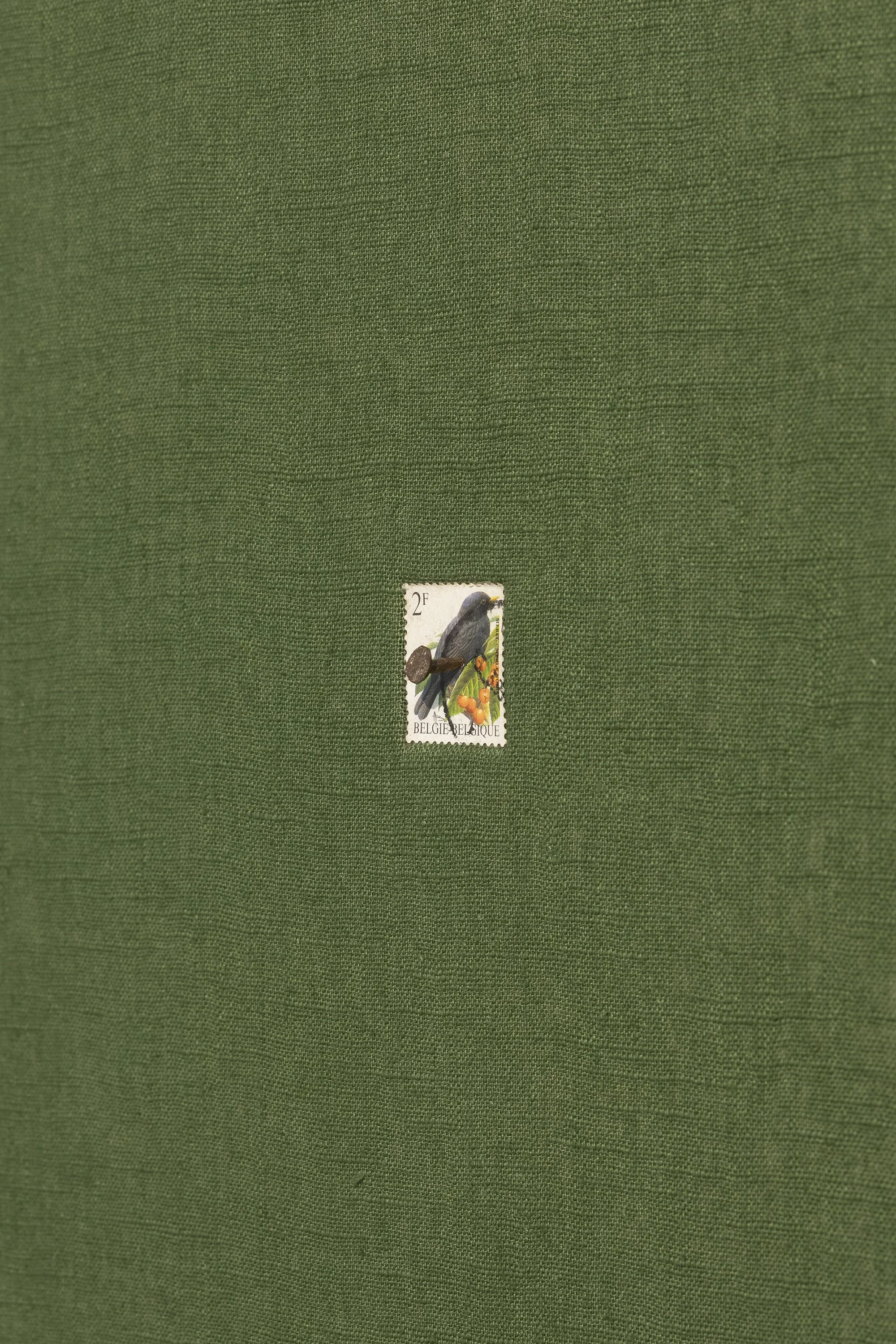
ANDRÉ VAZ | Nada de novo sobre o solo, 2026
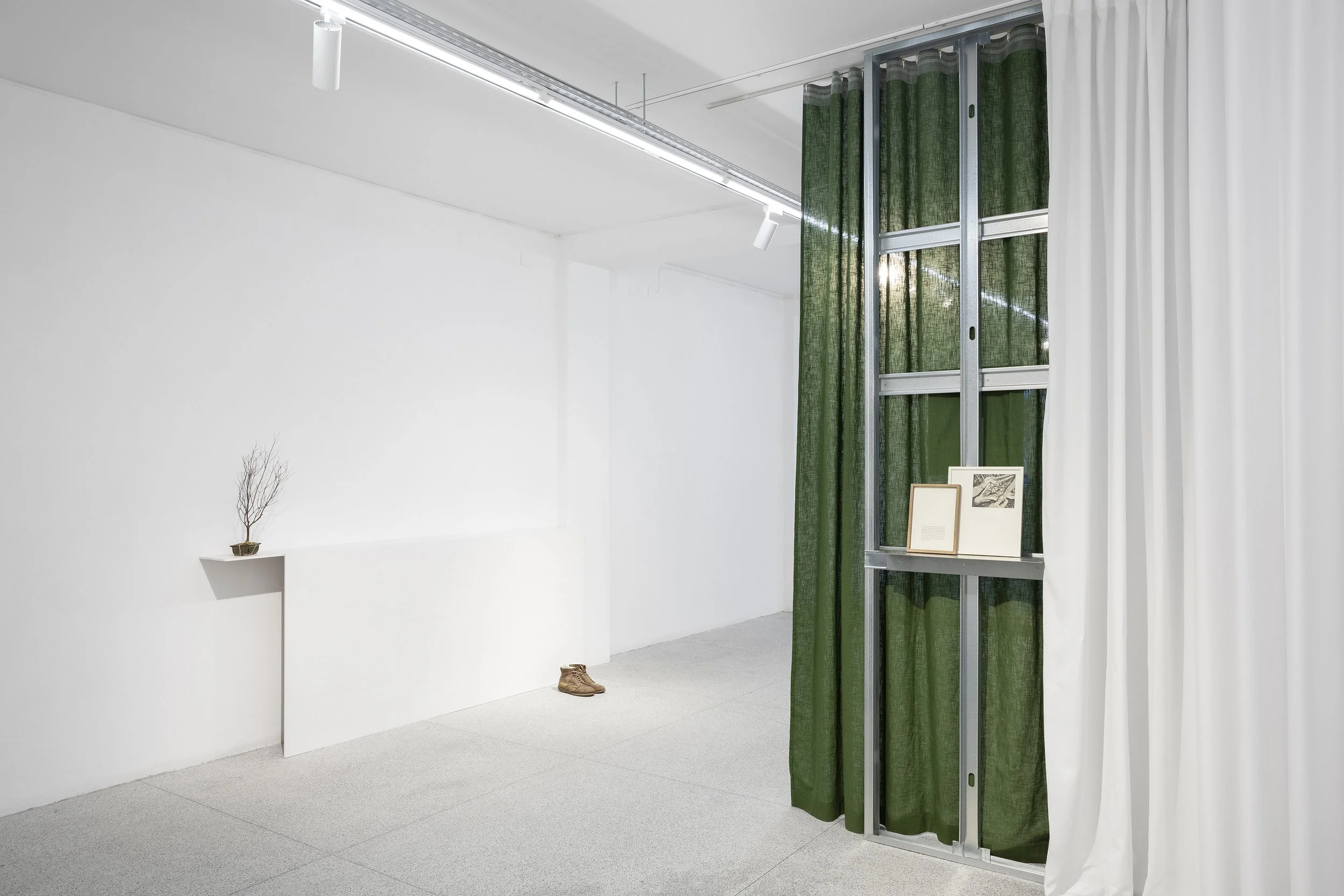
ANDRÉ VAZ | Nada de novo sobre o solo, 2026
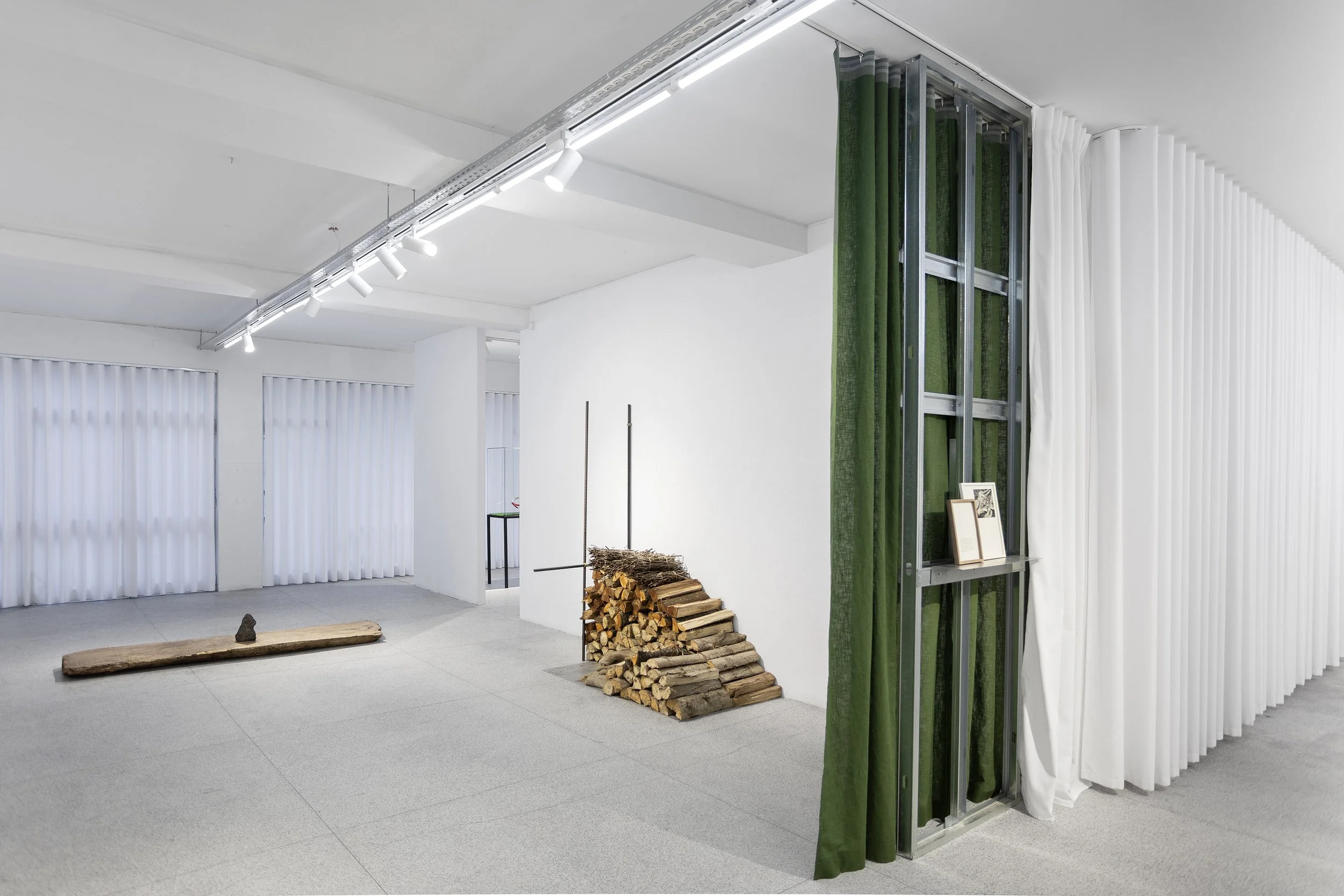
ANDRÉ VAZ | Nada de novo sobre o solo, 2026
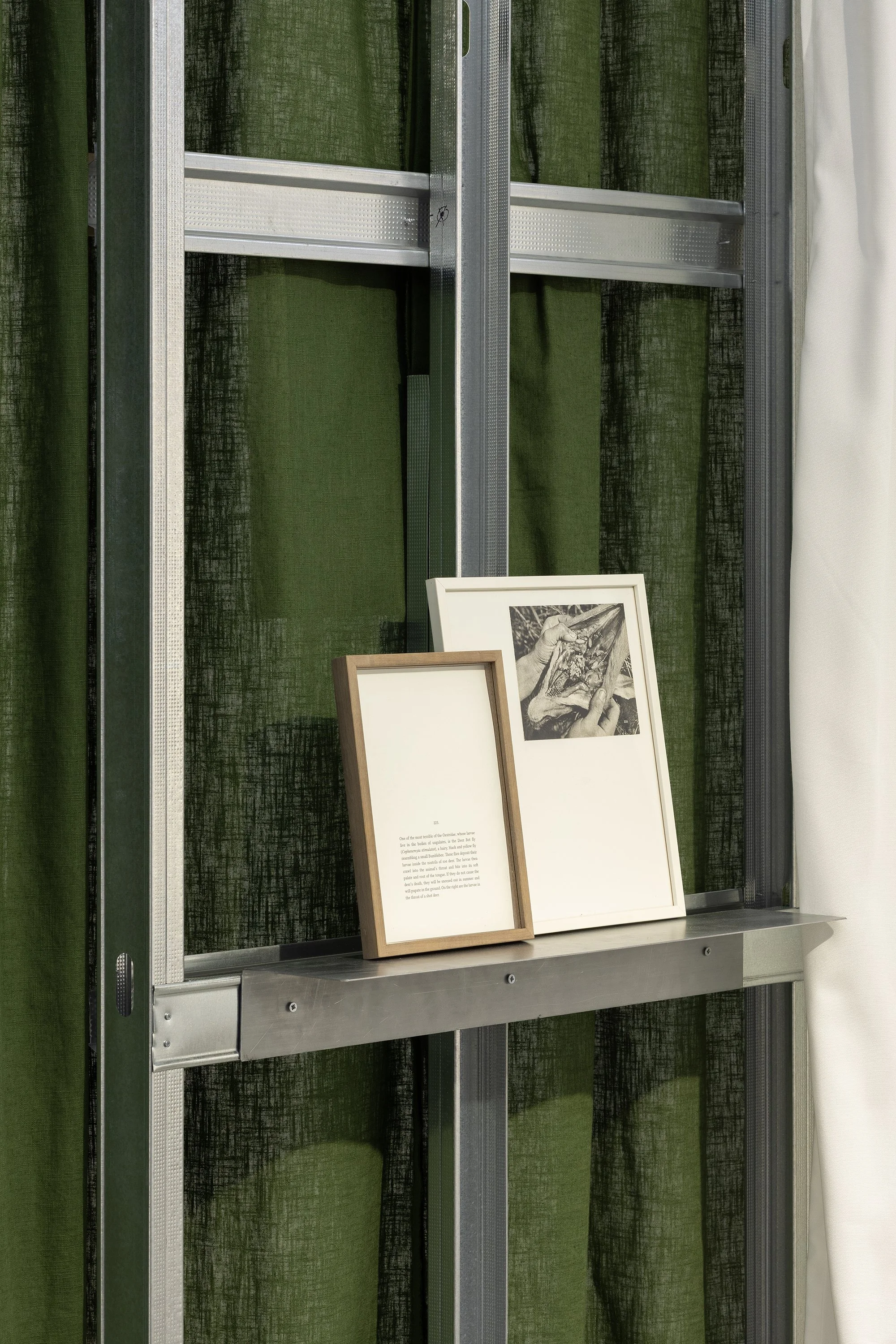
ANDRÉ VAZ | Nada de novo sobre o solo, 2026
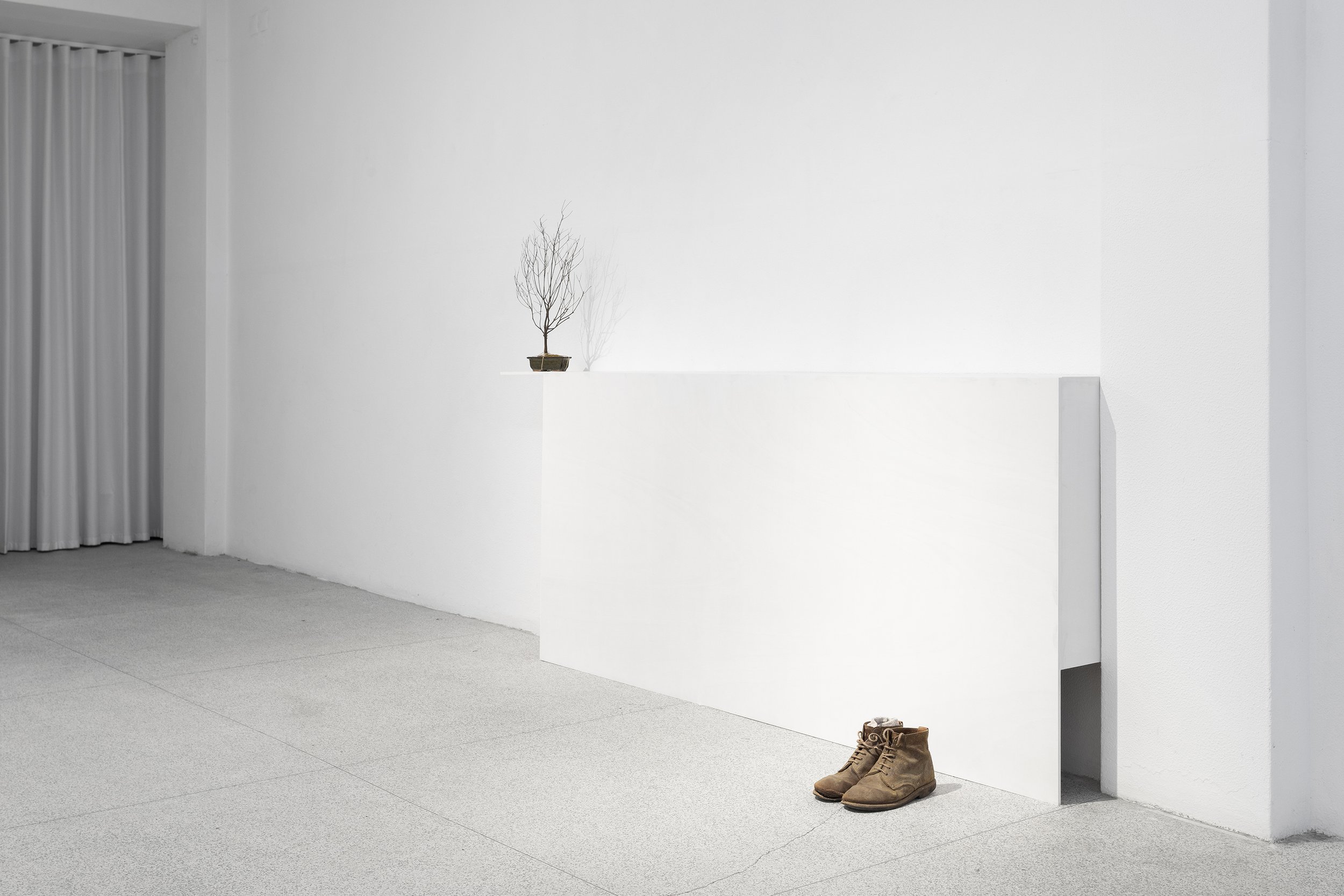
ANDRÉ VAZ | Nada de novo sobre o solo, 2026
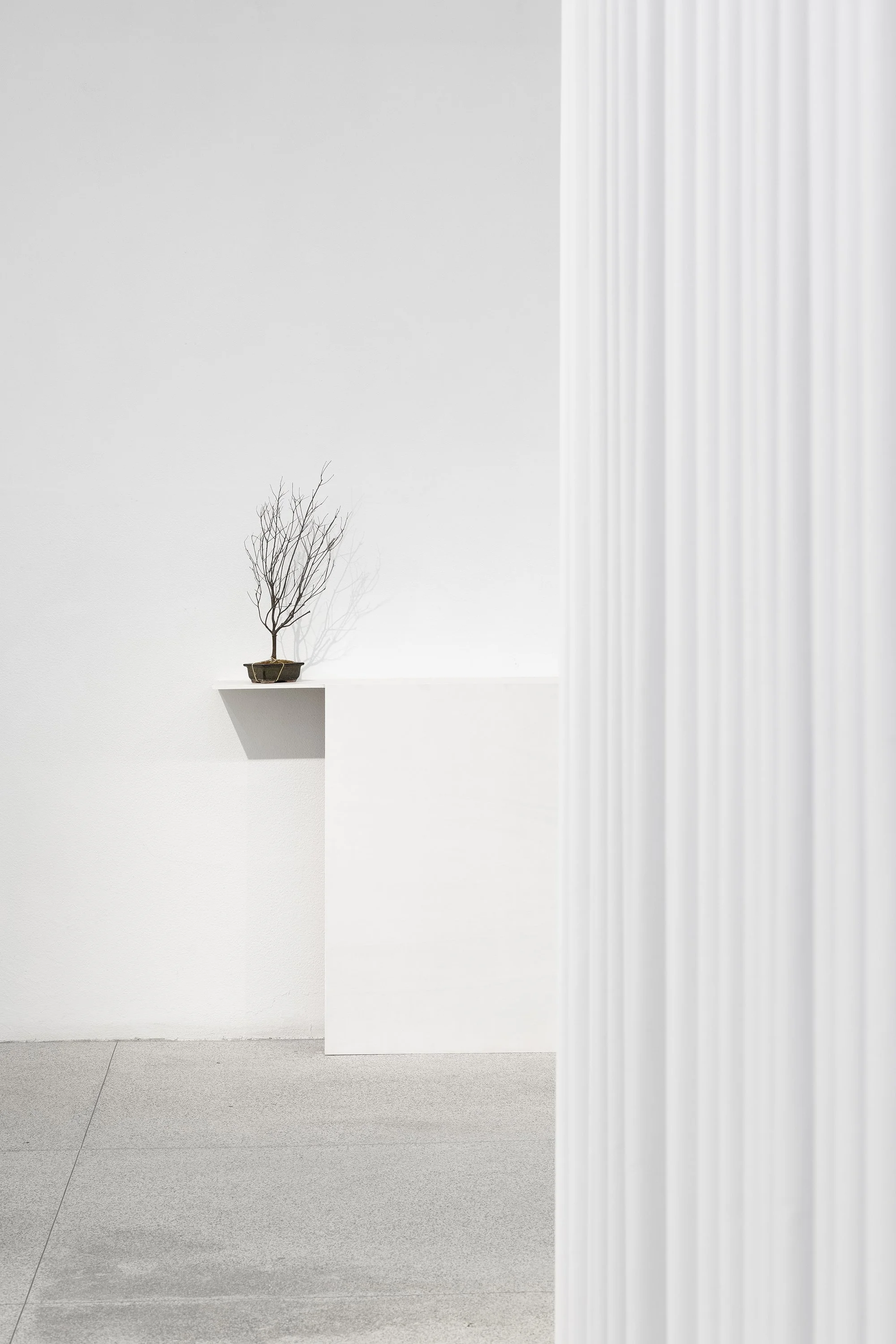
ANDRÉ VAZ | Nada de novo sobre o solo, 2026
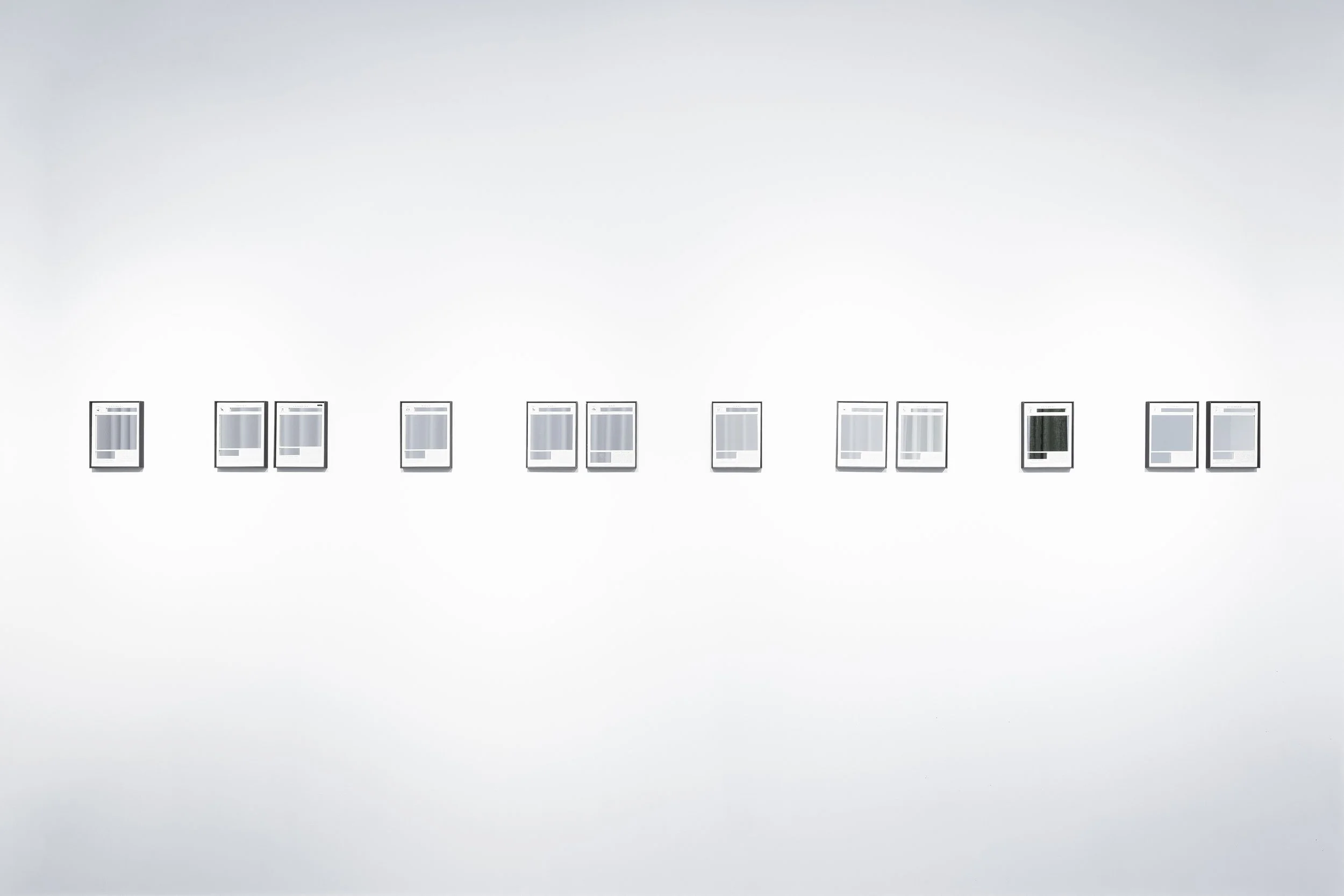
ANDRÉ VAZ | Nada de novo sobre o solo, 2026
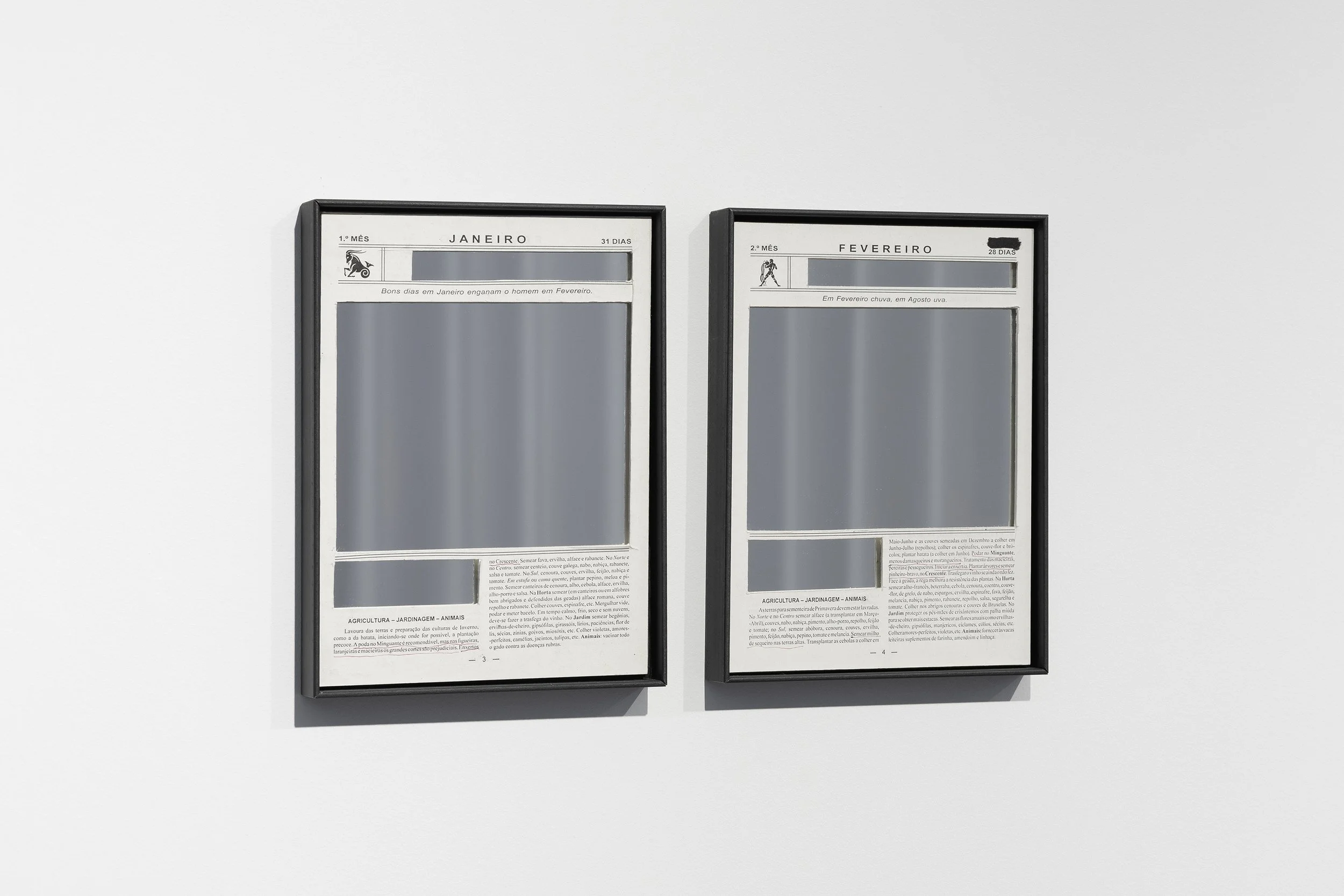
ANDRÉ VAZ | Nada de novo sobre o solo, 2026
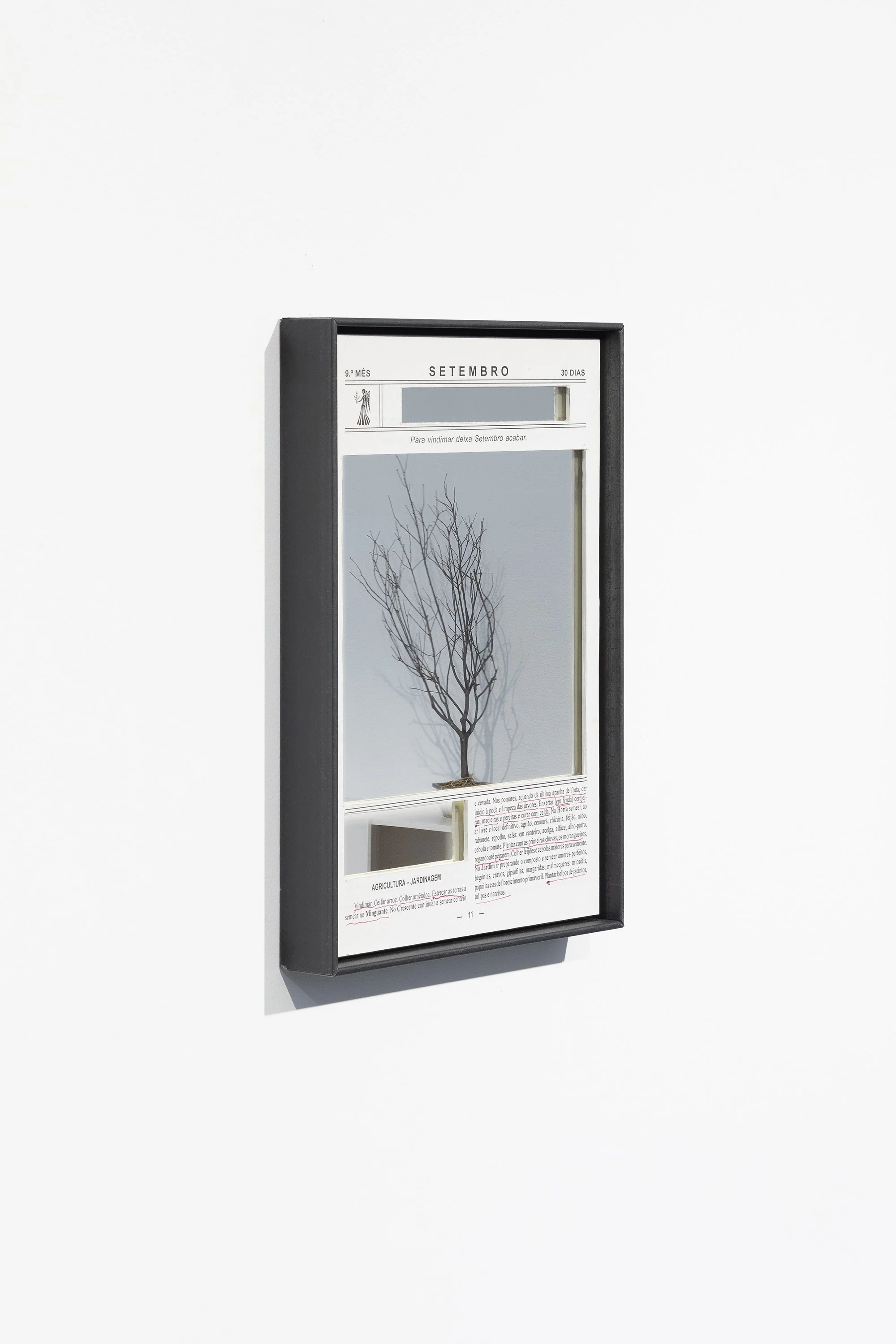
ANDRÉ VAZ | Nada de novo sobre o solo, 2026
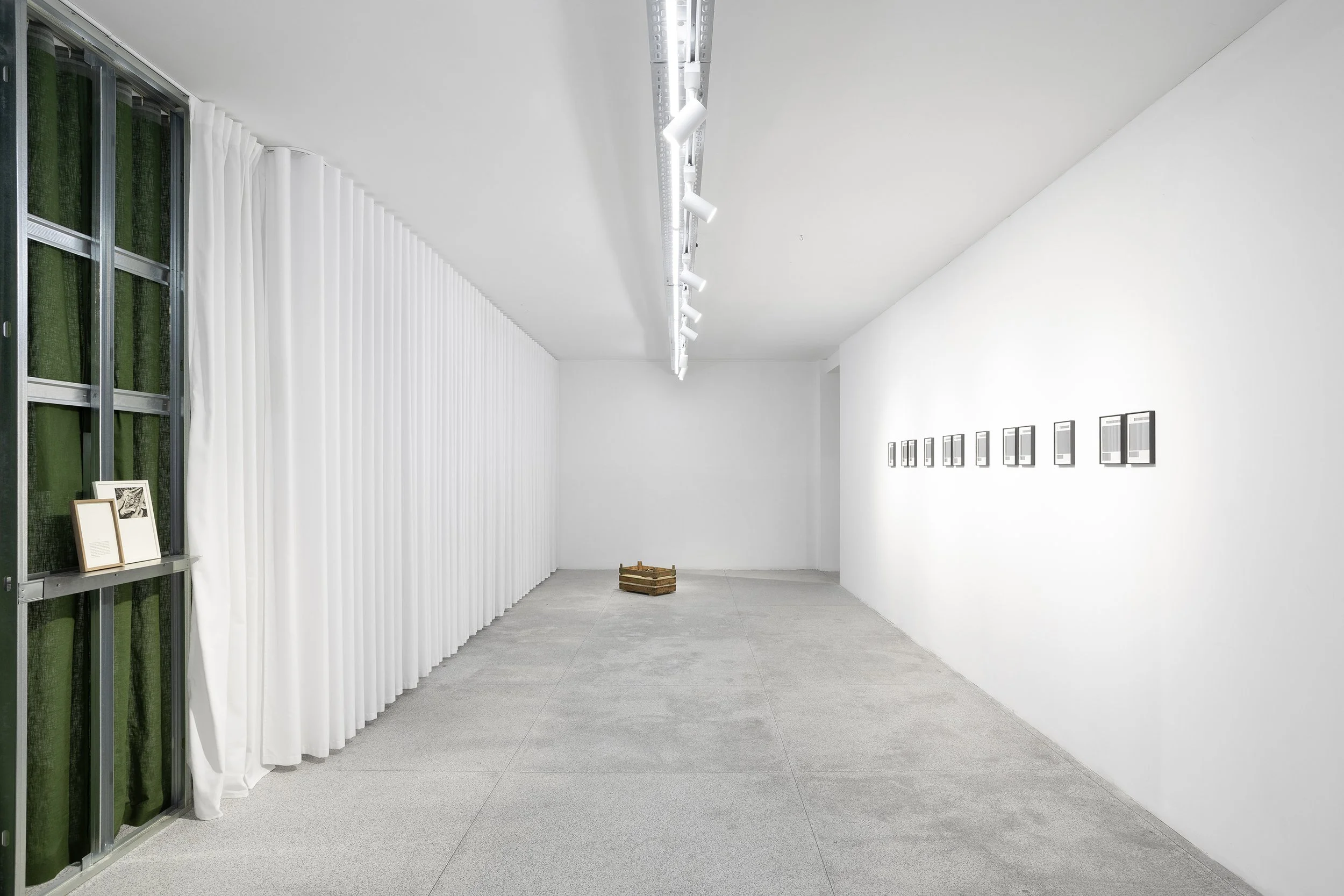
ANDRÉ VAZ | Nada de novo sobre o solo, 2026
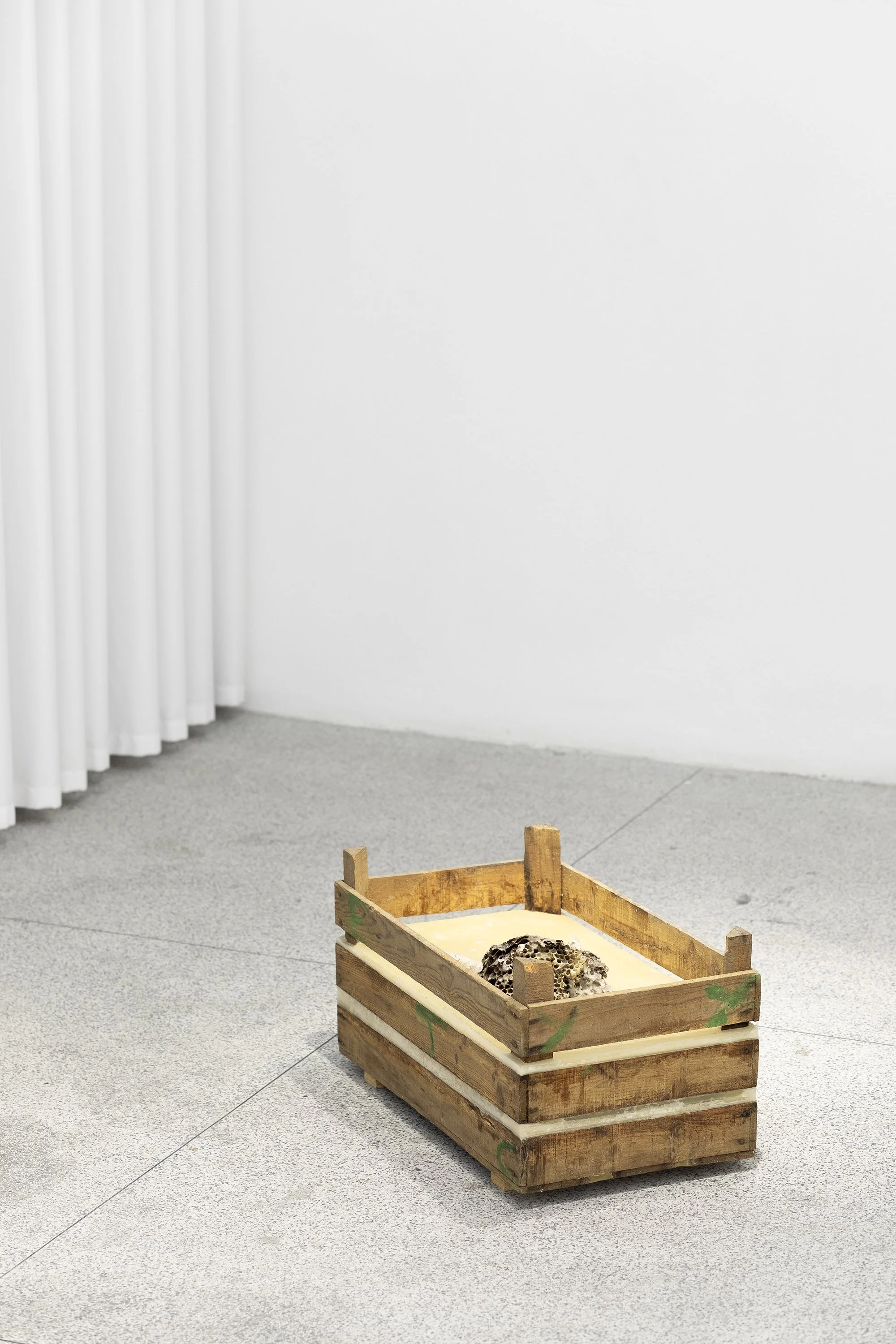
ANDRÉ VAZ | Nada de novo sobre o solo, 2026