
24 Jan — 28 Feb 2026 | PORTO
Your words cut me like an arrow
Miguel Ângelo Marques
A mão aparece no trabalho de Miguel Ângelo Marques quase como uma presença inevitável. Ela funciona, na bi e na tridimensão, como um registo de memória e, ao mesmo tempo, como um espelho de uma narrativa pessoal, mais íntima. Acaba por ser corpo e imagem em simultâneo. Surge como uma obsessão dentro de uma narrativa individual. Ao reaparecer continuamente, a mão opera como motivo e evidência: um fragmento insistente que retorna para reativar imagens.
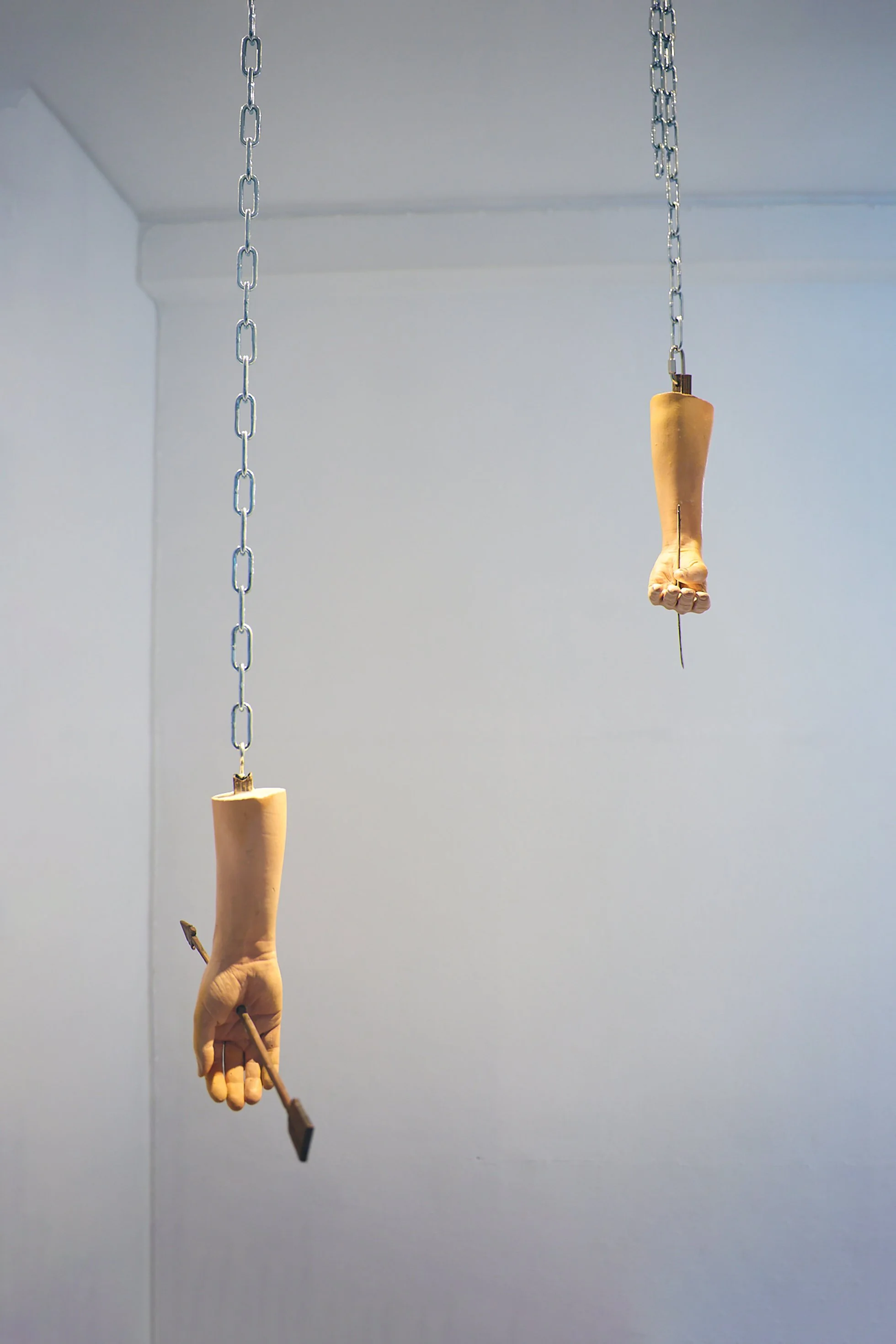
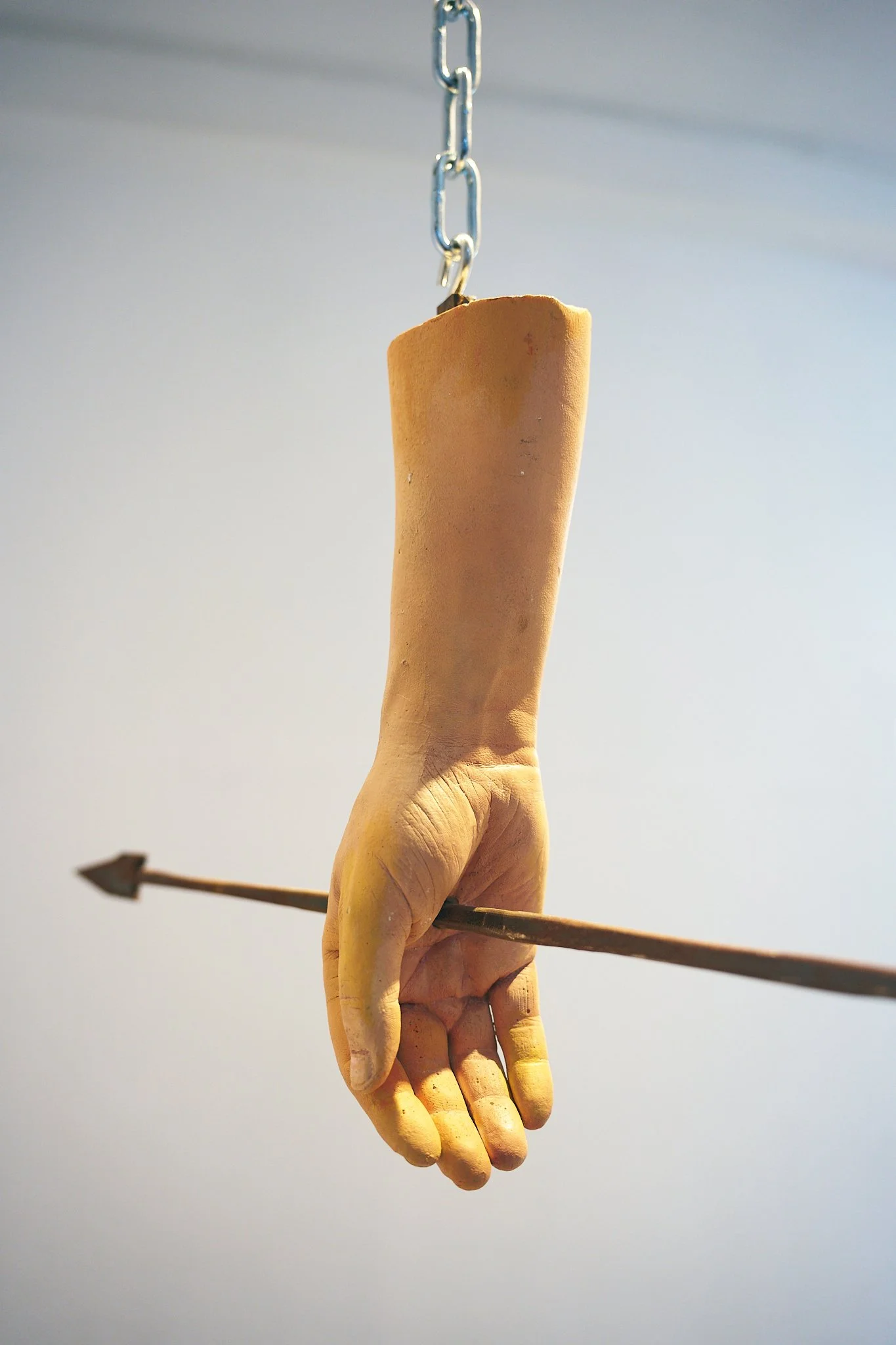
Em Your Words Cut Me Like An Arrow, Miguel Ângelo Marques propõe uma imagem que é simultaneamente brutal e ritual. A ferida, aqui, não se esgota na dor. Há uma violência que vem da palavra, do seu peso e da sua precisão: a palavra que corta, que atravessa, que perfura. Atravessada por uma flecha, a mão não se retrai. Permanece exposta, suspensa nesse momento de impacto. A flecha corta o espaço e atravessa a carne, deixando uma inscrição. A ferida não é apenas dor: é também gesto, desenho e ritual. É palavra inscrita no corpo, que dá à violência do impacto uma possibilidade de sentido.
The hand appears in Miguel Ângelo Marques’s work almost as an inevitable presence. It functions, in both two and three dimensions, as a record of memory and, simultaneously, as a mirror of a more intimate, personal narrative. It becomes body and image simultaneously. It emerges as an obsession within an individual narrative. By continually reappearing, the hand operates as both motif and evidence: an insistent fragment that returns to reactivate images.
In Your Words Cut Me Like An Arrow, Miguel Ângelo Marques presents an image that is both brutal and ritualistic. The wound here is not confined to pain. There is a violence that comes from the word, its weight and its precision; the word that cuts, that pierces, that punctures. Pierced by an arrow, the hand does not recoil. It remains exposed, suspended in that moment of impact. The arrow cuts through space and passes through flesh, leaving an inscription. The wound is not only pain: it is also gesture, drawing, and ritual. It is the word inscribed in the body, giving the violence of the impact a possibility of meaning.
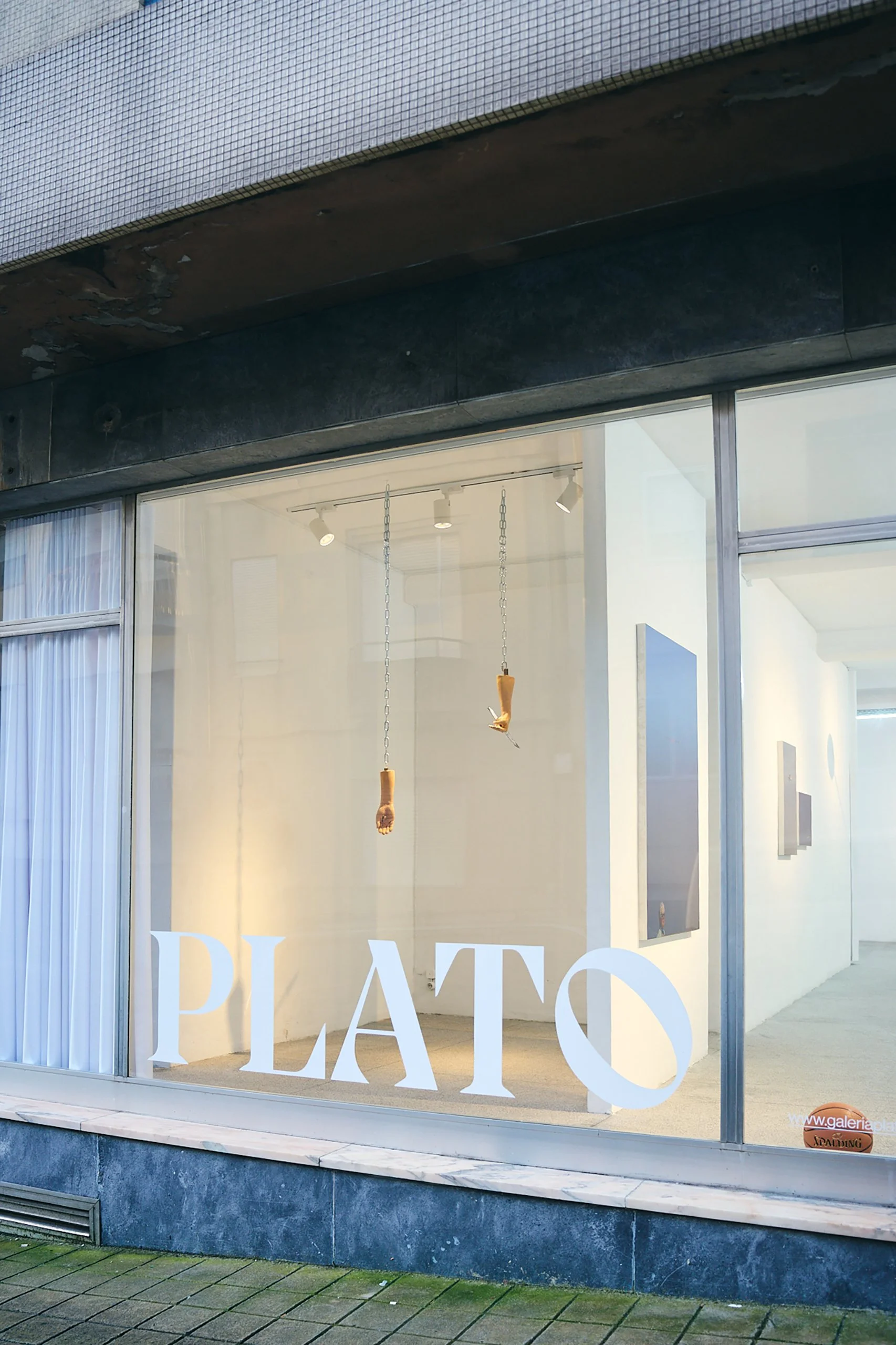
MIGUEL ÂNGELO MARQUES | Your words cut me like an arrow
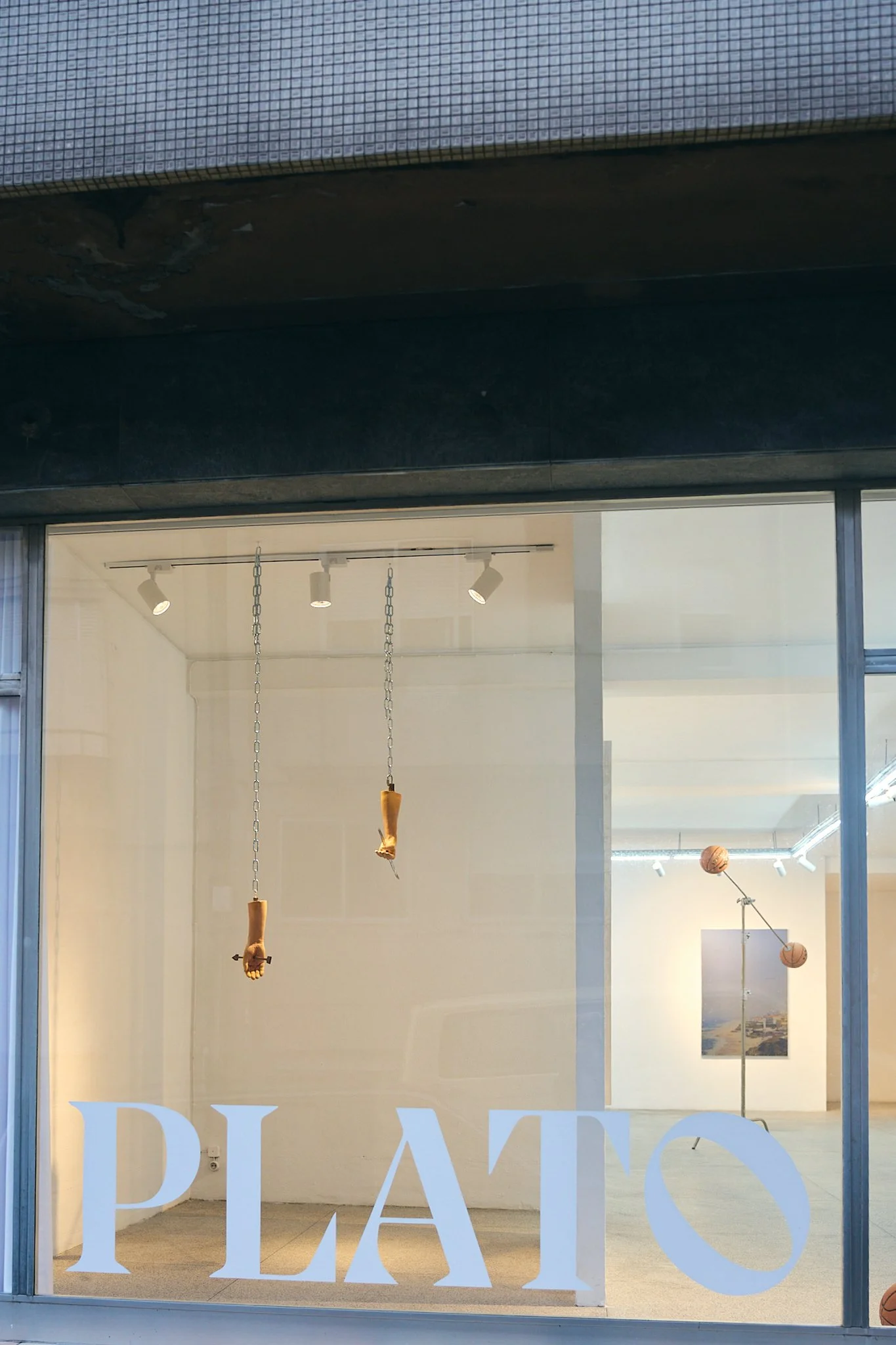
MIGUEL ÂNGELO MARQUES | Your words cut me like an arrow
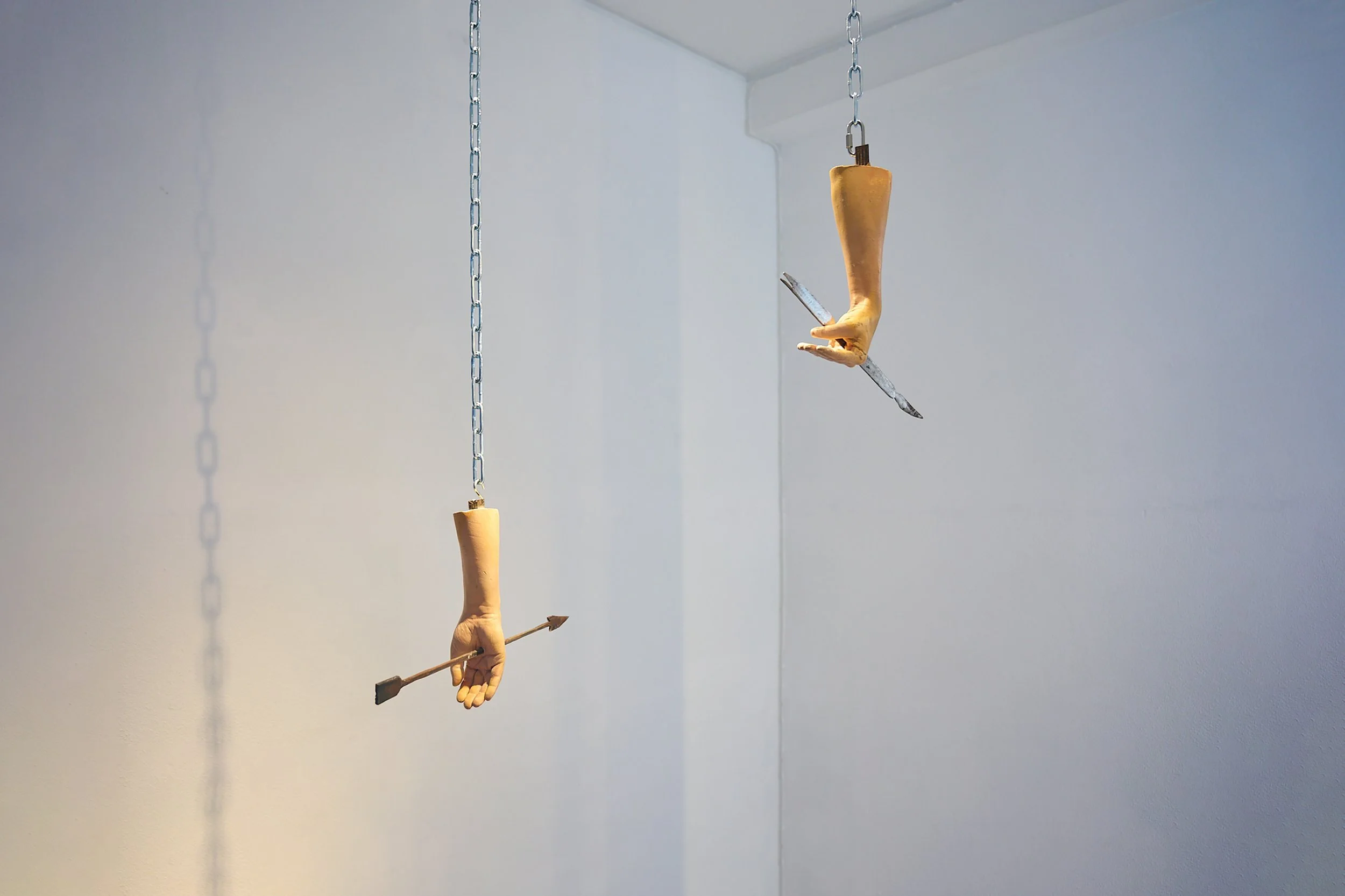
MIGUEL ÂNGELO MARQUES | Your words cut me like an arrow
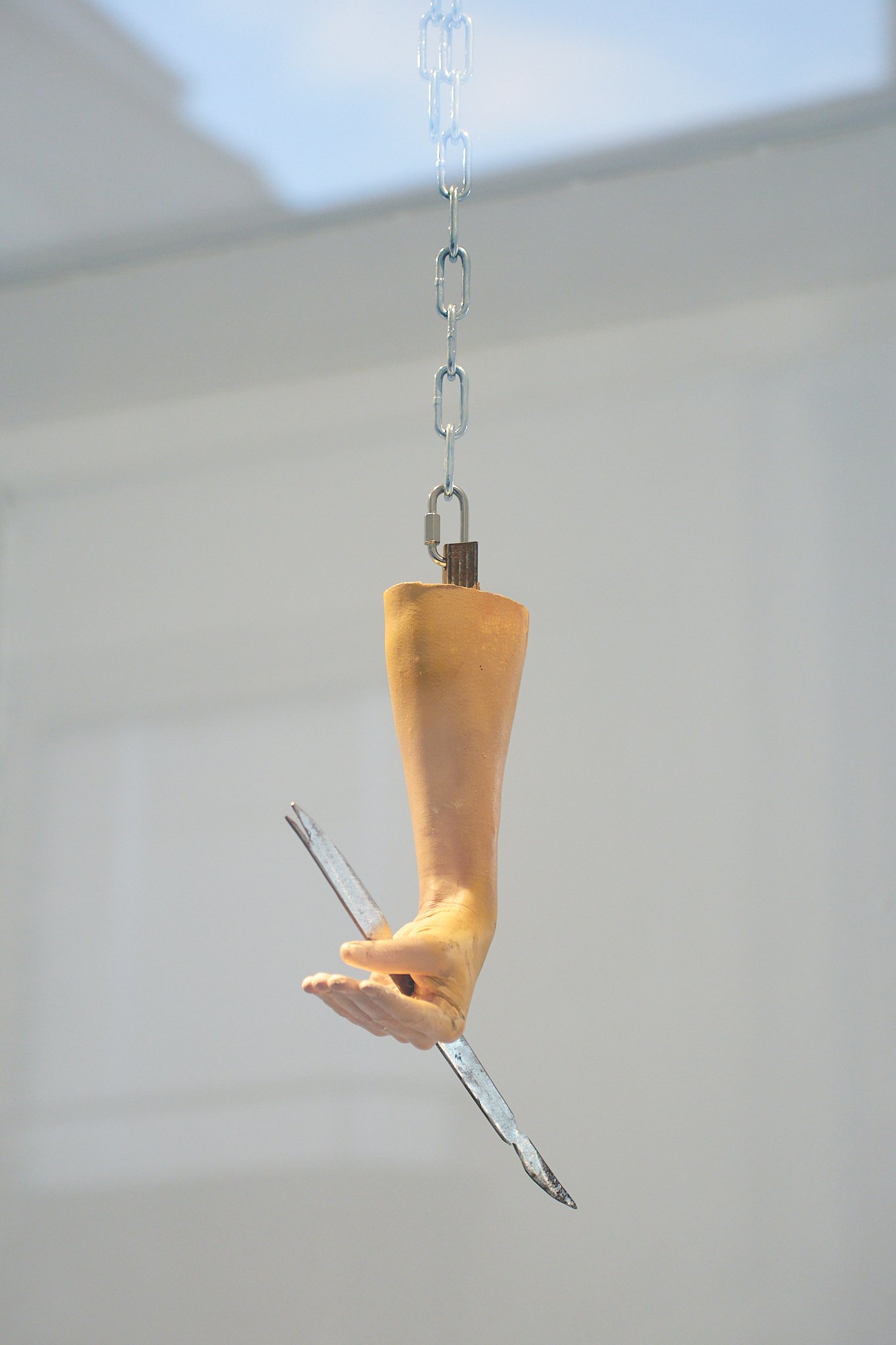
MIGUEL ÂNGELO MARQUES | Your words cut me like an arrow
MIGUEL ÂNGELO MARQUES | Your words cut me like an arrow
MIGUEL ÂNGELO MARQUES | Your words cut me like an arrow